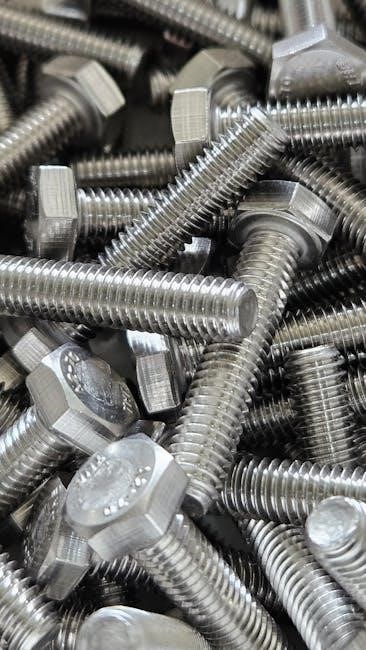
Screw Size Chart PDF: A Comprehensive Guide
Essential for projects, a screw size chart PDF details metric and standard threads, tap/clearance drill sizes, and conversion data – a valuable resource!
Screw size charts are indispensable tools for anyone working with fasteners, ranging from DIY enthusiasts to professional engineers․ These charts, often available as PDF downloads, provide a standardized reference for understanding the complex world of screw dimensions and thread specifications․ They consolidate crucial information like major and minor diameters, pitch, and thread length, ensuring correct screw selection for various applications․
Understanding these charts prevents mismatched screws, stripping threads, and ultimately, project failure․ They bridge the gap between imperial and metric systems, offering conversion tables for seamless integration of different components․ A comprehensive screw size chart PDF is therefore a cornerstone of successful assembly and repair work․
Understanding the Need for Screw Size Charts
Screw size charts are critical because incorrect fastener selection leads to weakened joints, potential failures, and wasted time․ A PDF chart simplifies the process, eliminating guesswork when dealing with diverse screw types – wood, machine, or self-tapping․ They ensure compatibility between screws, tapped holes, and clearance holes, preventing damage and ensuring secure fastening․
Furthermore, charts address the complexities of imperial versus metric measurements, offering vital conversion data․ Utilizing a chart guarantees proper fit, load distribution, and overall structural integrity, making them essential for both simple repairs and complex engineering projects․
Screw Thread Standards
Key standards include Unified Thread Standard (UTS) – inch-based – and ISO Metric, offering globally recognized specifications for screw threads and PDF charts․
Unified Thread Standard (UTS) ⎯ Inch Sizes
Predominantly used in the United States and Canada, the Unified Thread Standard (UTS) defines inch-based screw sizes․ These are commonly designated by a number (e․g․, #8, #10) representing the major diameter, followed by threads per inch (TPI), like #8-32․ A PDF screw size chart detailing UTS specifications is crucial for compatibility․
Understanding UTS involves recognizing that a higher number indicates a larger diameter․ The TPI dictates how closely spaced the threads are; finer threads offer greater strength, while coarser threads are faster to install․ Accurate PDF charts provide essential data for selecting the correct screw for various applications, ensuring proper fit and functionality․ These charts often include details on pitch and minor diameter․
Metric Thread Standard (ISO Metric)
Globally recognized, the International Organization for Standardization (ISO) metric thread standard utilizes millimeters (mm) for screw diameter and pitch; A typical designation is M6 x 1․0, where ‘M’ signifies metric, ‘6’ is the diameter in mm, and ‘1․0’ represents the pitch – the distance between threads․ A comprehensive PDF screw size chart is vital for working with these fasteners․
ISO metric screws offer precision and interchangeability․ PDF charts detail major, minor diameters, and tap drill sizes for accurate hole preparation․ Understanding pitch is key; finer pitches provide stronger holds, while coarser pitches are easier to install․ These charts are essential for engineers, manufacturers, and DIY enthusiasts alike, ensuring correct component assembly․
Key Dimensions in Screw Sizing
Accurate screw sizing relies on major/minor diameter, pitch, and thread length – critical dimensions detailed in a screw size chart PDF for precise applications․
Major Diameter
Defining the screw’s overall size, the major diameter represents the largest distance across the threads, measured from crest to crest․ A screw size chart PDF clearly indicates this dimension, crucial for ensuring compatibility with nuts or tapped holes․ It’s the outer diameter of the screw thread․ Understanding this measurement is fundamental when selecting the correct screw for an application, preventing issues like binding or insufficient grip․ Charts often display major diameters in both imperial (inches) and metric (millimeters) units, facilitating conversions․ Precise measurement ensures proper fit and functionality, avoiding costly errors in assembly or repair work․
Minor Diameter
Representing the smallest distance across the screw threads, measured from root to root, the minor diameter is a key specification found within a screw size chart PDF․ This dimension is vital when considering the screw’s core strength and its fit within a clearance hole․ It’s less frequently used in direct selection but crucial for engineering calculations and ensuring adequate material remains within the screw body․ Charts detailing minor diameters aid in assessing stress distribution and preventing failure under load․ Accurate knowledge of this measurement is essential for specialized applications demanding high precision and reliability․
Pitch
Defined as the distance between adjacent thread crests, the pitch is a fundamental measurement detailed in any comprehensive screw size chart PDF․ Typically expressed as threads per inch (TPI) for imperial screws or in millimeters for metric screws, pitch dictates the screw’s speed of advancement․ A coarser pitch advances quickly but requires more torque, while a finer pitch offers greater precision․ Understanding pitch is critical for selecting the correct screw for a given application, ensuring proper engagement and preventing stripping․ Charts clearly illustrate pitch values for various screw sizes, aiding in optimal fastener selection․
Thread Length
Representing the portion of the screw covered in helical ridges, thread length is a key dimension found within a screw size chart PDF․ It’s measured from the screw’s head to where the threads terminate, influencing the screw’s holding power and application suitability․ Longer threads provide greater strength in softer materials, while shorter threads are sufficient for harder materials․ Notably, pan head screws have length measured to the bearing surface․ Charts specify thread lengths for various diameters and pitches, assisting in selecting the appropriate screw for secure and reliable fastening in diverse projects․

Decoding Screw Size Designations
Understanding notations like #8-32 (imperial) or M6 x 1․0 (metric) – as detailed in a screw size chart PDF – is crucial for correct selection․
Imperial/Inch Screw Size Notation (e․g․, #8-32)
Decoding imperial screw sizes, commonly found within a comprehensive screw size chart PDF, requires understanding the two-number system․ The first number, preceded by a ‘#’ symbol (like #8), indicates the screw’s diameter․ Larger numbers signify larger diameters․ This isn’t a direct measurement in inches, but a standardized sizing convention․
The second number (e․g․, -32) represents the threads per inch (TPI)․ A higher TPI means more threads are packed into each inch of the screw’s length, resulting in a finer thread․ Conversely, a lower TPI indicates coarser threads․ Knowing both numbers is essential for ensuring compatibility with nuts and tapped holes, as detailed in reliable PDF guides․
Metric Screw Size Notation (e․g․, M6 x 1․0)
Interpreting metric screw sizes, readily available in a screw size chart PDF, follows a clear format․ The letter “M” always precedes the diameter, expressed in millimeters (e․g․, M6 signifies a 6mm diameter)․ This is a direct measurement, unlike imperial sizing․ Following an “x”, you’ll find the pitch, also in millimeters, representing the distance between threads․
For example, M6 x 1․0 indicates a 6mm diameter screw with a 1․0mm pitch․ A smaller pitch value means finer threads, offering greater precision․ These details, crucial for proper fastening, are comprehensively outlined within PDF resources, ensuring correct screw selection for various applications and materials․

Wood Screw Size Charts
Wood screw charts, often found in PDF format, correlate screw size to wood thickness, aiding selection for secure fastening and preventing material splitting․
Wood Screw Size Chart Based on Wood Thickness
Determining the correct wood screw size hinges on the material’s thickness; charts typically categorize wood into thickness ranges – for example, under 1 inch, 1-2 inches, and over 2 inches․
For thinner woods, smaller diameter screws (like #6 or #8) with shorter lengths are recommended to avoid breakthrough․
As thickness increases, larger diameters (#10, #12) and longer lengths provide adequate holding power․ PDF charts often illustrate this visually, showing recommended screw lengths for various wood thicknesses․
Proper screw selection prevents stripping, ensures a strong joint, and maintains the wood’s structural integrity․ Always consult a chart before starting your project!
Common Wood Screw Sizes and Applications
Frequently used wood screw sizes include #6, #8, and #10, each suited for different applications․ #6 screws are ideal for lightweight projects and softwoods, while #8 offers a balance for general carpentry․
#10 screws provide greater strength for hardwoods and heavier-duty applications like furniture assembly․ Screw length varies based on wood thickness, commonly ranging from 1 ¼ inches to 3 inches․
PDF charts detail specific uses – for instance, #8 x 1 ½” screws are excellent for attaching trim, while #10 x 2 ½” screws are better for framing․ Selecting the right size ensures a secure and lasting hold․

Machine Screw Size Charts
Machine screw charts, often in PDF format, specify sizes for general use and specific materials, aiding in precise fastening for diverse mechanical assemblies․
Machine Screw Sizes for General Applications
Common machine screw sizes, frequently detailed in downloadable PDF charts, cover a broad spectrum of applications․ Sizes #6, #8, and #10 are exceptionally versatile, finding use in electronics, appliances, and general fabrication․ Lengths typically range from ¼ inch to several inches, depending on material thickness and assembly requirements․
Thread pitch is also crucial; common pitches include 18, 20, and 32 threads per inch․ These charts often present data in a tabular format, clearly outlining diameter, thread pitch, and recommended drill sizes for both tapped and clearance holes․ Selecting the correct size ensures a secure and reliable fastening solution for a multitude of projects․
Machine Screw Sizes for Specific Materials
PDF screw size charts often categorize recommendations based on material․ For softer materials like aluminum or plastic, coarser threads (e․g․, 14 TPI) are preferred to avoid stripping․ Conversely, harder steels benefit from finer threads (e․g․, 20 or 32 TPI) for increased holding power․
Stainless steel applications may require specific screw types to prevent corrosion․ Charts will detail appropriate materials and sizes․ When working with thin sheet metal, self-tapping machine screws are frequently recommended, with size selection guided by material thickness․ Always consult a chart for optimal results and material compatibility․

Self-Tapping Screw Size Charts
PDF guides detail self-tapping screw sizes for both metal and plastic, factoring in material thickness and desired hold – crucial for secure fastening!
Self-Tapping Screw Sizes for Metal
Selecting the correct self-tapping screw for metal requires considering material type and thickness․ Charts typically categorize screws by diameter, thread pitch, and point style (Type A, B, or C)․ Type A screws are for thin sheet metal, while Type B are general-purpose․ Type C are hardened for thicker materials like stainless steel․
PDF resources often provide detailed tables listing screw sizes (e․g․, M3, M4, M5, #6, #8, #10) alongside recommended drill sizes for pilot holes, ensuring optimal thread engagement and preventing stripping․ Consideration of screw length is also vital, accounting for material stack-up and desired clamping force․ Zinc-plated or stainless steel options offer corrosion resistance․
Self-Tapping Screw Sizes for Plastic
Choosing self-tapping screws for plastic demands careful attention to avoid cracking or stripping the material․ Charts specify sizes based on plastic type (ABS, PVC, Polycarbonate) and thickness․ Generally, coarser threads are preferred for softer plastics, while finer threads suit harder varieties․ Point styles, like those for metal, influence performance․
PDF guides detail screw diameters (e․g․, M3, M4, #6, #8) and lengths, often recommending specific drill sizes for pilot holes – crucial for preventing stress fractures․ Specialized plastic-cutting tips on the screws minimize material displacement․ Consideration of screw head style (pan, flat, oval) impacts aesthetics and functionality․

Tap Drill Size Charts
Crucial for threading, tap drill charts correlate screw sizes with appropriate drill bit diameters, ensuring proper thread engagement and preventing damage to components․
Metric Tap Drill Size Chart
Understanding metric tap drill sizes is fundamental for successful threading․ These charts meticulously pair metric screw diameters (like M3, M6, M8, etc․) with the corresponding drill bit sizes needed to create threads․ The chart details drill sizes for both standard and bottoming taps, accounting for thread depth․
Accurate drill size selection prevents issues like stripped threads or insufficient engagement․ Charts often present data in a tabular format, listing the screw size in millimeters, the recommended drill size in millimeters, and sometimes the equivalent drill size in inches․ Resources detail tap drill sizes for various thread pitches, ensuring a precise fit․ Referencing a reliable chart is paramount for quality results․
Imperial Tap Drill Size Chart
Navigating imperial tap drill sizes requires understanding fractional and numbered screw designations (e․g․, #6-32, 1/4-20)․ These charts correlate screw sizes with the appropriate drill bit sizes for tapping threads – crucial for creating secure fasteners․ Charts differentiate between standard and bottoming taps, influencing drill size selection for thread depth․
Precise drill size is vital to avoid damaging threads or compromising holding power․ Charts typically display screw size (number or fraction), threads per inch (TPI), and the recommended drill size in inches or fractional form․ Consulting a reliable chart ensures proper thread engagement and a robust connection․ Accuracy is key for successful imperial threading․

Clearance Drill Size Charts
Essential for bolt passage, these charts detail drill bit sizes for holes, ensuring screws aren’t constricted and can freely rotate within the material․
Metric Clearance Drill Size Chart
Understanding metric clearance drill sizes is crucial for proper fastener installation․ These charts correlate metric screw diameters with the appropriate drill bit size needed to create a clearance hole․ This hole allows the screw to pass through the material without engaging the threads, ensuring a secure, yet non-binding fit․
Typically, charts list the screw’s major diameter (e․g․, M6) alongside the recommended drill bit size in millimeters․ The document references charts providing this data, vital for projects utilizing metric fasteners․ Accurate clearance hole sizing prevents damage to materials and ensures optimal joint strength․ Referencing a reliable chart is paramount for successful assembly․
Imperial Clearance Drill Size Chart
Accurate imperial clearance drill sizing is fundamental for successful projects using standard screws and bolts․ These charts detail the corresponding drill bit size – expressed in inches or fractions of an inch – required for each screw size (e․g․, #8, #10); The goal is to create a hole allowing the screw shank to pass freely, without thread engagement․
Documents highlight the importance of these charts, linking imperial screw sizes to precise drill bit diameters․ Incorrect sizing can lead to stripped threads, material damage, or a compromised joint․ Consulting a reliable chart ensures proper fit and optimal performance․ Proper clearance allows for easy assembly and prevents binding during tightening․
Screw Conversion Charts
Facilitating interoperability, conversion charts translate between metric and imperial screw sizes, aiding projects utilizing components from different standards – a critical tool․
Metric to Imperial Screw Conversion
Converting from metric to imperial screw sizes requires understanding the differences in measurement systems․ A precise conversion isn’t always direct, as thread pitch and diameter necessitate careful consideration․ Charts typically provide approximate equivalents, like an M6 screw potentially correlating to a #10-24 screw, but verifying thread compatibility is crucial․
Factors like thread angle and form influence interchangeability․ Online databases and detailed PDF charts offer comprehensive tables for common sizes, aiding in selecting the closest imperial counterpart․ Remember that these are estimations; always test fit before final assembly to ensure proper function and avoid damaging components․ Accuracy is paramount for successful projects․
Imperial to Metric Screw Conversion
Transitioning from imperial to metric screw sizes presents similar challenges as the reverse conversion․ A direct one-to-one mapping is rarely available; instead, charts offer the nearest metric equivalent for a given imperial size․ For example, a #8-32 screw might approximate an M4 screw, but confirming thread engagement is essential․
Conversion charts found in PDF resources detail these approximations, considering both diameter and threads per inch․ It’s vital to account for the differing thread forms and angles․ Always prioritize a test fit to guarantee compatibility and prevent issues during assembly․ Precision in selecting the correct metric screw ensures a secure and reliable connection․

Screw Head Types and Sizes
PDF charts illustrate various head styles – pan, flat, and others – alongside size specifications, impacting aesthetics and functionality within your assembly․
Pan Head Screws
Pan head screws, frequently detailed in screw size chart PDFs, possess a low-profile, slightly rounded top․ This design offers a versatile fastening solution, suitable for a broad spectrum of applications where a flush or near-flush finish isn’t critical․
PDF resources typically showcase pan head screw dimensions, including diameter and length, alongside corresponding gauge sizes․ They are commonly used in metal and wood applications, offering good clamping force․ Charts often specify measurements from the underside of the head to the screw tip, crucial for accurate project planning․ Their widespread availability and ease of installation contribute to their popularity․
Flat Head Screws
Flat head screws, as illustrated in comprehensive screw size chart PDFs, are designed with a conical underside․ When fully driven, the head sits flush with the material surface, creating a clean, finished appearance․ These screws are ideal for applications demanding a smooth, unobtrusive fastening solution․
PDF guides detail critical dimensions like head diameter, countersink angle, and screw length․ Proper countersinking is essential for a flush fit, and charts often provide guidance․ Commonly used in woodworking and furniture assembly, flat head screws require pre-drilled countersunk holes for optimal results․ They offer a professional aesthetic and secure hold․
Specialty Screw Charts
Specialty screw charts, found in PDFs, cover set screws and socket head cap screws, detailing unique dimensions and applications for precise fastening;
Set Screw Size Charts
Set screw charts, often included within comprehensive screw size chart PDFs, are crucial for applications requiring axial holding force․ These charts detail sizes based on diameter, length, and point style – cup, cone, flat, or oval․
PDF resources specify dimensions like thread pitch and major diameter, vital for ensuring a secure fit within a shaft or bore․ Understanding these charts prevents damage to components and guarantees optimal performance․ They also often include material specifications, like steel or stainless steel, and related hardness levels․
Proper selection, guided by these charts, avoids stripping threads or compromising the holding power of the set screw․
Socket Head Cap Screw Size Charts
Socket head cap screw (SHCS) size charts, frequently found in detailed screw size chart PDFs, are essential for mechanical assemblies․ These charts outline diameters, lengths, and thread pitches, typically adhering to metric or imperial standards․
PDF resources often categorize SHCS by strength grade (e․g․, 5, 8, 10, 12), influencing load-bearing capacity․ Charts also specify drive types – hex, Torx, or square – and corresponding tool sizes․ Accurate selection, guided by these charts, ensures proper clamping force and prevents fastener failure․
Material specifications, like steel or alloy steel, are also commonly included․

Resources for Screw Size Charts (PDF Downloads)
Numerous online databases and manufacturer websites offer downloadable screw size chart PDFs, providing comprehensive sizing guides for various screw types and standards․
Online Screw Size Chart Databases
Several readily accessible online databases compile extensive screw size charts in PDF format․ These resources consolidate information from various manufacturers, offering a convenient single point of reference․ Users can typically filter by screw type – wood, machine, self-tapping – and thread standard (metric or imperial)․
Many websites provide interactive charts allowing users to input specific dimensions to find corresponding screw sizes․ These databases often include detailed diagrams illustrating key measurements like major diameter, pitch, and thread length․ Furthermore, some platforms offer conversion tools to switch between metric and imperial units, simplifying cross-referencing and ensuring accurate selection for diverse projects․ These are invaluable for both professionals and DIY enthusiasts․
Manufacturer-Specific Screw Size Charts
Directly from the source, manufacturer-specific screw size charts – often available as PDFs – provide the most accurate and detailed information for their products․ These charts typically encompass the full range of screws offered, including specialized types and finishes․ They often include performance data, material specifications, and recommended applications for each screw size․
Accessing these charts usually involves visiting the manufacturer’s website and navigating to their technical documentation or downloads section․ These resources are particularly useful when working with proprietary screw designs or requiring precise compatibility with specific components․ Utilizing these charts ensures optimal performance and avoids potential issues arising from using generic sizing information․