Overview of the 21-Day Plant-Based Meal Plan PDF
Comprehensive PDF guide includes structured meal plans, printable grocery lists, diverse recipes, nutrition tips, progress tracking tools, community support access, customization options, expert cooking demonstrations, mobile app integration, and sustainable lifestyle guidance for successful plant-based transition.
What the PDF Includes (recipes, grocery lists, nutrition tips)
The 21‑Day Plant‑Based Meal Plan PDF delivers a curated collection of 63 plant‑centric recipes, spanning breakfast, lunch, dinner, and snack options. Each recipe features clear, step‑by‑step instructions, portion sizes, and suggested ingredient substitutions for dietary preferences. The accompanying grocery list is organized by food groups—grains, legumes, nuts, seeds, fruits, vegetables, and pantry staples—making shopping efficient and reducing waste. Nutrition tips are interwoven throughout, offering insights on macronutrient balance, micronutrient sources, hydration strategies, and mindful eating practices. Users receive printable meal prep guides, portion control charts, and a weekly nutrient tracker to monitor intake. The PDF also includes a quick‑reference “Nutrition Cheat Sheet” highlighting essential vitamins and minerals found in common plant foods, and a section on how to pair foods for optimal absorption. Additionally, the guide offers troubleshooting advice for common challenges such as meal timing, snacking, and maintaining energy levels during the transition. All content is designed to be accessible, engaging, and adaptable, empowering individuals to confidently navigate a 21‑day plant‑based journey with confidence and clarity. Readers can also share progress on social media using the dedicated hashtag, fostering community support.
How the Plan Is Structured (daily meals, weekly themes, printable formats)
The plan organizes three daily meals plus optional snacks across three distinct weekly phases. Week one establishes a foundation with simple, repeatable dishes like apple cinnamon oatmeal and couscous confetti salad, teaching basic prep rhythms. Week two expands variety by introducing global flavors, novel vegetables, and diverse protein sources such as tempeh and lentils. Week three focuses on optimization, refining portion sizes, advanced cooking techniques, and long-term maintenance strategies. Each day provides structured breakfast, lunch, and dinner entries with clear recipe links highlighted in red for easy navigation. The PDF delivers printable weekly grids, shopping checklists organized by aisle, and batch-cooking timelines to streamline kitchen workflow. Users can access identical layouts via the companion mobile app, ensuring synchronization across devices. Printable formats include A4 and letter sizes, with checkboxes for tracking completion. Daily nutrition summaries accompany each menu, highlighting calorie ranges, macronutrient ratios, and micronutrient targets to support informed choices throughout the three-week journey. The structured progression ensures gradual adaptation, preventing overwhelm while maximizing nutrient diversity and culinary exploration across the entire program duration. Effectively always.
Key Benefits of a 21-Day Plant‑Based Challenge (health, weight, sustainability)
Participating in a structured three-week plant-based challenge delivers health improvements, effective weight management, and significant environmental sustainability gains. Clinical research consistently demonstrates that short-term adoption of whole-food, plant-centric nutrition lowers blood pressure, reduces LDL cholesterol, stabilizes blood glucose, and decreases systemic inflammation markers. Participants frequently report enhanced energy levels, improved digestion, clearer skin, and better sleep quality within the first seven days. Weight loss occurs naturally through increased fiber intake, reduced caloric density, and enhanced satiety signaling without restrictive calorie counting. The Physicians Committee’s Kickstart program emphasizes these outcomes through expert nutrition advice and motivational support. Environmentally, shifting toward plant proteins dramatically reduces personal carbon footprint, water usage, and land degradation associated with animal agriculture. The challenge format builds lasting behavioral change by establishing new neural pathways around food choices, cooking skills, and label reading. Community accountability via the mobile app and online forums reinforces adherence, transforming a temporary experiment into a sustainable lifestyle. Ultimately, this immersive experience empowers individuals with practical knowledge, tangible results, and the confidence to maintain compassionate, health-promoting dietary patterns long after the twenty-one days conclude successfully.
Getting Started: Preparing for the 21-Day Challenge
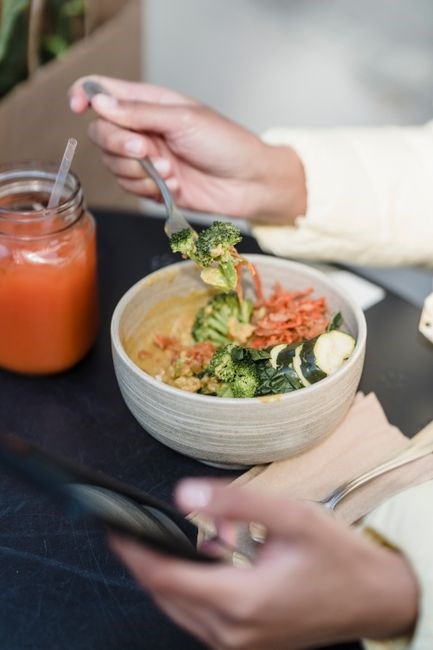
Before starting, review the PDF’s layout, download printable grocery lists, familiarize yourself with meal themes, and plan a shopping schedule. Set a timeline, allocate kitchen time daily, and ensure fresh produce and pantry staples are available.
Essential Kitchen Tools and Pantry Staples (beans, grains, nuts, spices)
Equipping your kitchen properly ensures smooth execution of the 21-day plant-based meal plan. Essential tools include a high-speed blender for smoothies and sauces, a food processor for chopping vegetables and making hummus, an Instant Pot or pressure cooker for rapid bean and grain preparation, sharp chef’s knives, cutting boards, measuring cups, and a set of non-stick pans for oil-free sautéing. A spiralizer adds variety with vegetable noodles, while glass storage containers keep prepped ingredients fresh throughout the week. A reliable kitchen scale aids portion accuracy.
Stock your pantry with versatile staples: dried or canned beans (chickpeas, black beans, lentils), whole grains (brown rice, quinoa, oats, couscous), raw nuts and seeds (almonds, walnuts, chia, flax), and a robust spice collection (cumin, smoked paprika, turmeric, nutritional yeast, garlic powder). Include vegetable broth, soy sauce or tamari, apple cider vinegar, and maple syrup for flavor depth. Fresh aromatics like onions, garlic, ginger, and lemons are indispensable. Having apples, sweet potatoes, and hummus ingredients on hand aligns with the plan’s emphasis on accessible, whole-food nutrition for immediate meal assembly and sustained energy. Batch cooking grains and beans saves significant weekday time.
Customizing the Plan for Allergies, Gluten‑Free or Personal Preferences
Adapting the 21‑day plan to individual needs is straightforward. Begin by identifying allergens: nuts, soy, sesame, or shellfish. Replace nut‑based sauces with cashew or avocado blends, swap soy sauce for coconut aminos, and use sunflower or pumpkin seeds for crunch. For gluten‑free diners, substitute wheat‑based grains with quinoa, millet, or certified gluten‑free oats, and choose naturally gluten‑free pasta or spiralized vegetables. When dairy is a concern, replace yogurt or cheese with coconut yogurt or nutritional yeast. Adjust spice levels to suit heat tolerance, using milder paprika or smoked paprika for a subtle kick. Personal taste preferences can guide ingredient swaps: swap carrots for parsnips, use kale instead of spinach, or incorporate seasonal produce like butternut squash. The PDF offers a “Swap Sheet” with equivalent ingredient suggestions, ensuring calorie and protein targets remain consistent. Finally, use the meal‑planning section to skip or repeat recipes, creating a balanced, allergen‑free menu that remains delicious and nutritionally complete.
Moreover, the companion app allows substitution suggestions based on your preferences, ensuring each meal aligns with your dietary restrictions while maintaining flavor diversity and nutritional throughout the challenge.
Setting Realistic Goals and Tracking Progress (journals, apps, habit trackers)
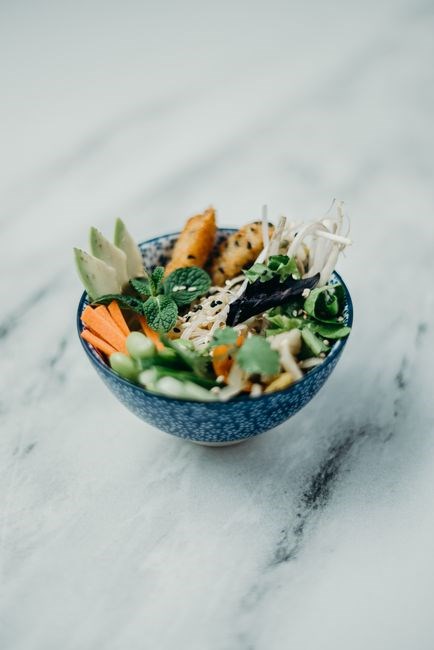
Setting realistic goals and tracking progress is essential for lasting change. Start by defining a clear, measurable objective—such as reducing processed foods, increasing vegetable servings, or achieving a specific weight target—within the 21‑day timeframe. Write each goal on a dedicated page of the PDF’s goal‑setting worksheet, noting baseline metrics and a realistic deadline. Use a daily journal to record meals, mood, energy levels, and any cravings; the PDF provides prompts for reflection and gratitude. Complement paper tracking with the companion mobile app, which syncs your intake, offers reminders, and visualizes trends through charts. Habit trackers in the app allow you to mark completed meals, water intake, and exercise, turning progress into a tangible habit loop. Set weekly check‑ins: every seventh day, review your journal entries, adjust portion sizes, and celebrate milestones. If a goal feels too ambitious, break it into smaller steps—e.g., add one new vegetable per week. Consistency, accountability, and data‑driven adjustments empower you to stay motivated, adapt strategies, and ultimately embed plant‑based habits beyond the 21‑day challenge. Remember, small victories accumulate, fostering confidence that sustains lifelong dietary transformation and commitment.
Daily Meal Breakdown: Sample Day‑by‑Day Outline
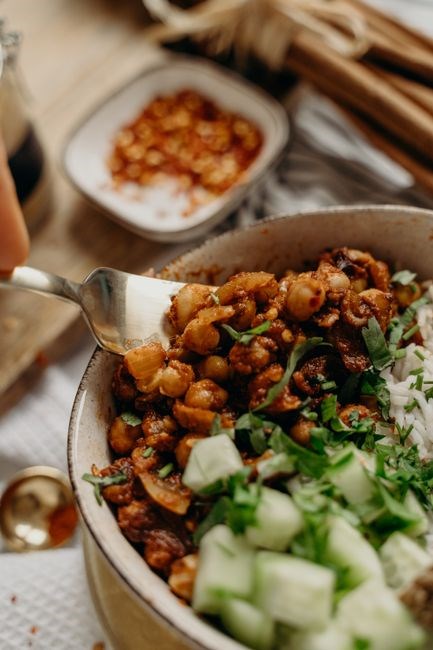
The PDF outlines each day’s meals, beginning with Day 1’s Apple Cinnamon Oatmeal breakfast, Couscous Confetti Salad lunch, and Carrot‑Red Pepper Soup dinner. Subsequent days rotate balanced breakfasts, nutrient‑dense lunches, hearty plant‑based dinners with seasonal snacks options.
Days 1‑7 – Foundation Week (simple breakfasts, balanced lunches, hearty dinners)
The first week establishes core habits through repetitive, simple preparation methods designed to minimize waste and maximize flavor. Day one introduces Apple Cinnamon Oatmeal prepared in batches for midweek breakfasts, demonstrating efficient batch cooking. Lunch features Couscous Confetti Salad, doubling as a side dish for the following evening meal, while Carrot and Red Pepper Soup provides leftovers for the next day’s lunch. This cook-once-eat-twice strategy permeates the entire foundation phase. Breakfasts rotate between oatmeal variations, fruit-topped chia puddings, and whole-grain toast with nut butter. Lunches emphasize colorful grain salads, hearty legume soups, and leftover utilization. Dinners showcase comforting staples like lentil shepherd’s pie, stir-fried tofu with brown rice, and bean-based chili. Each recipe relies on accessible pantry staples such as beans, grains, nuts, and spices highlighted by nutrition experts. The structured plan eliminates decision fatigue, builds knife skills, and acclimates digestion to increased fiber. Daily nutrition tips accompany meals, explaining protein combining, hydration importance, and mindful eating practices essential for long-term adherence. Printable grocery lists organize ingredients by store section, simplifying shopping trips and ensuring ingredient freshness throughout the week.
Days 8‑14 – Variety Week (introducing new vegetables, global flavors, protein‑rich dishes)
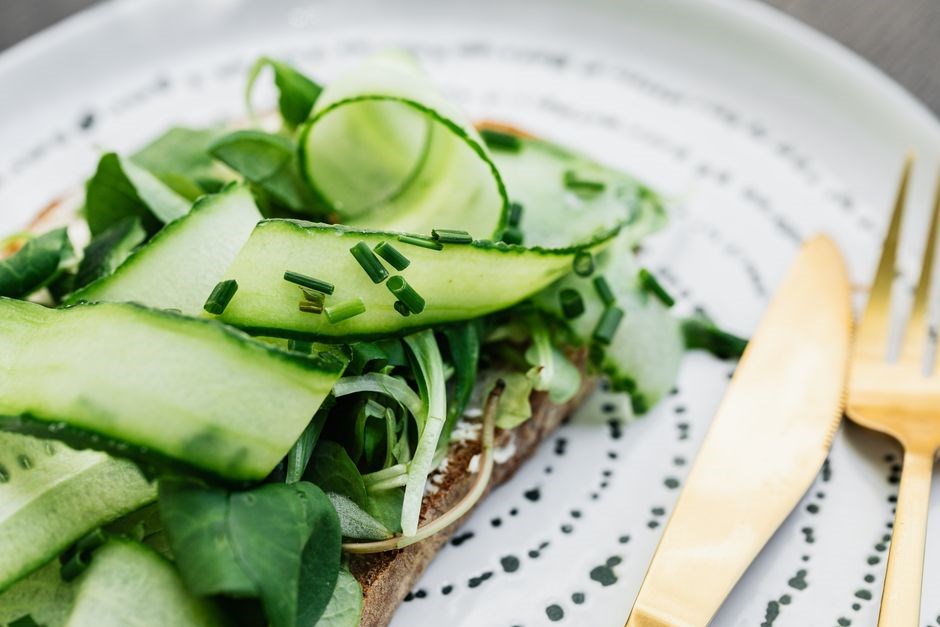
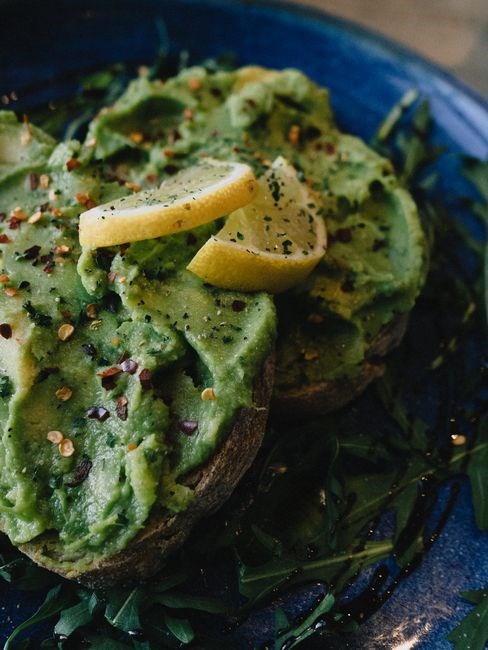
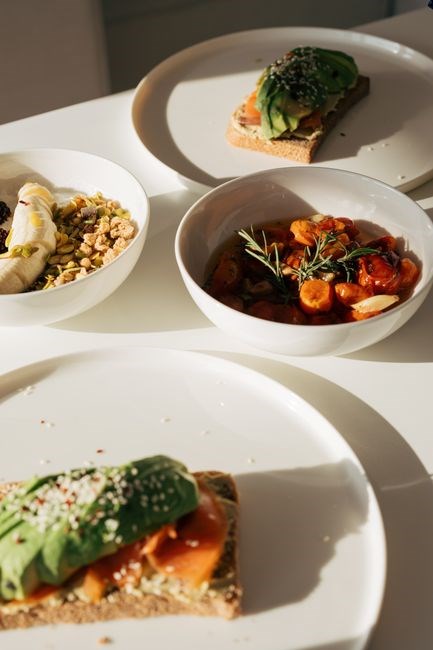
Week two expands the culinary palette by incorporating seasonal produce such as kale, butternut squash, and heirloom tomatoes, while exploring international cuisines. Breakfasts feature Mediterranean avocado toast, Thai coconut chia pudding, and Mexican breakfast burritos made with tofu scramble. Lunches rotate between Moroccan chickpea tagine, Japanese miso‑tofu soup, and Indian lentil dal served with basmati rice. Dinners options include Ethiopian berbere lentils, Korean bibimbap with tempeh, and Greek moussaka made from eggplant and chickpeas. Protein density is increased through quinoa, black beans, and seitan, ensuring satiety and muscle support. Each meal pairs with a side of fermented kimchi or pickled vegetables to boost gut health. The PDF supplies step‑by‑step photos, ingredient substitutions, and cooking timers. Nutritional guidance highlights balanced macros, calcium sources, and iron absorption enhancers. A daily reflection prompt encourages mindful eating, while a progress tracker records new taste discoveries and energy levels. This week’s structure promotes confidence in kitchen skills and encourages sustainable plant‑based habits. Participants also receive a curated list of seasonal spices and a printable flavor‑pairing chart to further personalize their culinary journey and track progress effortlessly daily;
Days 15‑21 – Optimization Week (portion tweaking, advanced recipes, maintenance tips)
The final phase focuses on refining portion sizes to match individual energy needs, introducing advanced culinary techniques like aquafaba emulsification, tempeh fermentation basics, and raw dessert preparation. Meals shift toward nutrient timing; pre‑workout banana‑date smoothies and post‑workout lentil‑quinoa power bowls optimize recovery. Recipes include jackfruit carnitas, cauliflower‑walnut chorizo, and multi‑layered vegetable lasagna with cashew ricotta. The PDF provides macro calculators, micronutrient checklists, and a reintroduction protocol for processed foods. Maintenance strategies cover batch‑cooking staples, freezer‑friendly meal kits, and restaurant navigation guides. Daily journals track satiety signals, digestion quality, and sleep patterns. Community forum prompts discuss long‑term supplementation, social event planning, and seasonal menu rotation. A printable “Plate Method” visual aids portion control without weighing. The companion app unlocks a library of 50+ bonus recipes and schedules live Q&A sessions with dietitians. Graduates receive a certificate, a personalized shopping template, and lifetime access to updated nutritional research, ensuring the plant‑based lifestyle remains enjoyable, sustainable, and scientifically grounded well beyond the initial three weeks. Participants also gain access to exclusive webinars covering label reading, budget management, and environmental impact assessments for continued growth together.
Resources Included in the PDF and How to Use Them
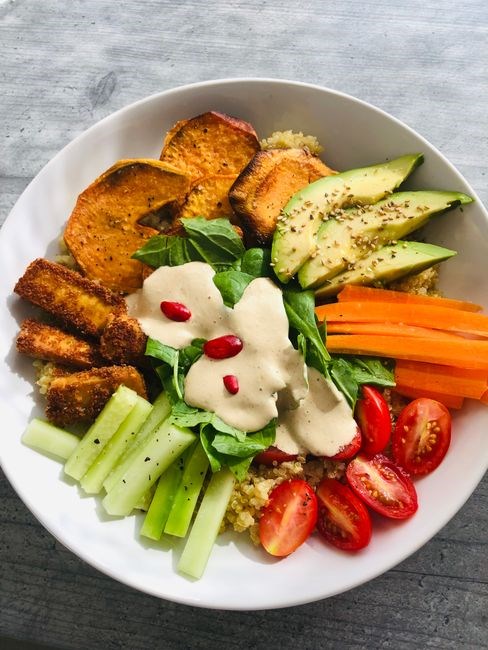
PDF resources feature printable grocery lists organized by food groups, step-by-step recipes with photos and video links, plus companion mobile app access for community support, updates, and expert nutrition advice tracking tools for sustainable lifestyle guidance.
Printable Grocery Lists and Shopping Guides (organized by food groups and meals)
The downloadable PDF provides meticulously organized printable grocery lists categorized by food groups such as legumes, whole grains, fruits, vegetables, nuts, and seeds, ensuring efficient supermarket navigation. Each weekly guide correlates directly with the meal plan’s daily recipes, including Foundation Week staples like oats, apples, cinnamon, couscous, bell peppers, carrots, and vegetable broth for soups and salads. Shoppers benefit from quantity calculations preventing waste, while checkboxes allow real-time tracking during trips. Specialty sections highlight gluten-free alternatives and allergen-free brands certified by organizations like the Gluten Intolerance Group. Lists distinguish between pantry essentials—beans, rice, tahini, spices—and perishable items requiring weekly replenishment, such as leafy greens, berries, and fresh herbs. Users can print separate lists for each week or a consolidated master version. Digital versions sync with the companion mobile app, enabling aisle-by-aisle sorting and automatic updates when swapping recipes. This systematic approach simplifies procurement, supports budget adherence, and eliminates guesswork, making the transition to plant-based eating seamless and stress-free for beginners and experienced cooks alike. The organized structure saves valuable time, reduces impulse purchases, and ensures nutritional completeness throughout the three-week challenge period effectively.
Step‑by‑Step Recipe Instructions and Cooking Demonstrations (photos, video links)
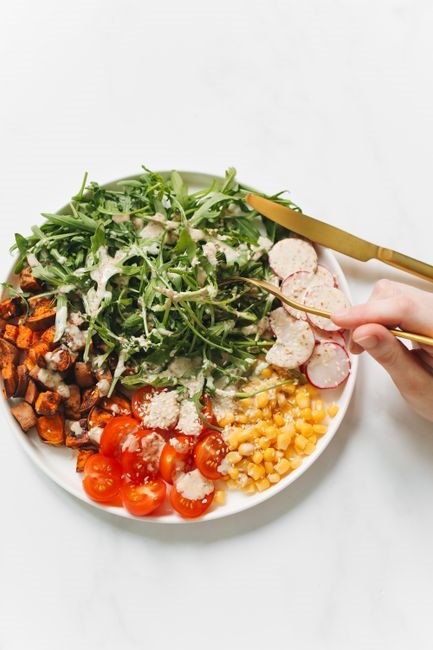
Each recipe in the PDF is accompanied by detailed, numbered instructions that guide users from ingredient preparation to final plating. The step‑by‑step format includes clear measurements, suggested substitutions, and timing cues, making complex dishes approachable for novice cooks. Visual aids—high‑resolution photographs illustrate every stage, from chopping vegetables to the finished plate, ensuring readers can replicate techniques accurately. For added engagement, embedded video links provide live demonstrations, allowing users to watch chefs perform sautéing, simmering, and plating in real time. These videos feature concise commentary, highlighting key tips such as proper knife handling, flavor layering, and texture adjustments. The instructional design follows a logical progression: prep, cook, plate, and serve, with safety reminders for hot surfaces and sharp tools. Users can pause, rewind, or skip sections to match their pace. The combination of written guidance, imagery, and video content creates a multimodal learning experience, reinforcing confidence and culinary skill while supporting the 21‑day plant‑based transition. Additionally, the PDF offers printable cheat sheets summarizing key nutritional facts for each meal, enabling reference during cooking and allowing users to annotate personal notes for continuous learning.
Accessing the Companion Mobile App and Online Community for Support and Updates
The companion mobile app unlocks the full power of the 21‑Day Plant‑Based Meal Plan PDF by delivering reminders, interactive grocery checklists, and instant access to the entire recipe library. To begin, visit the official website linked in the PDF and select the iOS or Android download button. After installing, create a free account using an email address or social login; the program supports both English and Spanish interfaces, matching the PDF’s bilingual availability. Once logged in, the dashboard displays the current week’s meals, customizable portion sliders, and a progress tracker that syncs with the printable journal. The app also hosts a moderated online community where participants share photos, ask questions, and receive encouragement from nutrition experts and fellow challengers. Weekly live Q&A sessions are streamed directly within the app, and archived video tutorials are searchable by ingredient or cooking technique. Push notifications alert users to upcoming grocery list updates, seasonal ingredient swaps, and new educational articles released by the Physicians Committee for Responsible Medicine. By regularly checking the community feed, users stay motivated, troubleshoot challenges, and celebrate milestones throughout the 21‑day journey.