Overview of Ironman Triathlon
An Ironman Triathlon demands 2.4‑mile swim, 112‑mile bike, 26.22‑mile run. A structured PDF training plan maps weekly volume, progression, and race‑specific workouts, ensuring athletes build endurance, strength, and mental focus for this grueling event. It also outlines nutrition, and mental!!??
Race Distance Breakdown and Course Requirements
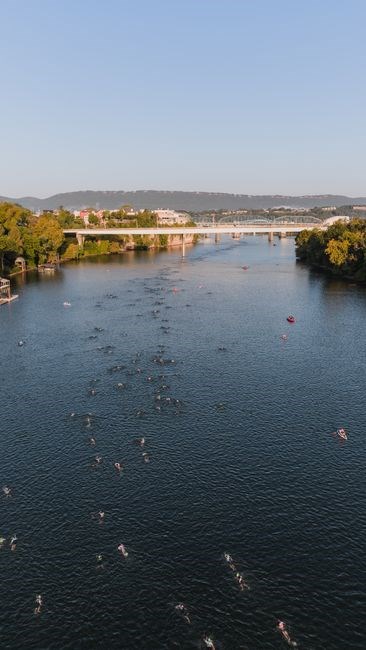
In an Ironman Triathlon, athletes tackle a 2.4‑mile (3.86 km) open‑water swim, followed by a 112‑mile (180.25 km) bike ride and a 26.22‑mile (42.20 km) run. The course must be certified by the International Triathlon Union, ensuring accurate distance measurement, safety protocols, and official timing. Swimmers start in a designated bay or lake, with buoys marking the 2.4‑mile loop. The bike leg typically follows a flat, paved route that may include short climbs; organizers provide a detailed elevation profile and rest stops. The run is usually a looped course on city streets or a park trail, with aid stations every 5 km. Transition areas (T1 and T2) are clearly marked, with a dedicated space for gear exchange and a timing mat. All courses must meet the ITRC (International Triathlon Union) standards for distance, safety, and environmental impact, and must be approved by the local triathlon governing body. Athletes should verify the official course map, elevation chart, and aid station locations before training, as these details influence pacing strategies, nutrition planning, and mental preparation for the event. The transition zones are designed to minimize time loss; athletes practice quick gear swaps during training. Weather conditions, such as wind on the bike leg or heat during the run, can alter the course difficulty, so training plans incorporate variable environmental scenarios. Official race day protocols require athletes to wear a race bib, a timing chip, and a safety vest during the swim. The bike course includes checks, tents. for performance.!! The run course is marked with clear signage and volunteer support to ensure participants stay on route The understanding of these course requirements allows athletes to tailor their training plan, ensuring they meet all logistical and regulatory demands of the Ironman event. Training should include hill repeats on the bike and run to build strength and resilience. Finally, athletes should review the race day schedule, including start time, transition times, and the location of the finish line, to plan logistics such as transportation and accommodation. This plan ensures you finish strong and confident today!!
Importance of a Structured Training Plan
A PDF plan provides clear weekly goals, progressive load, and recovery windows, preventing overtraining. It aligns swim, bike, run sessions, tracks mileage, and embeds race‑specific drills, ensuring consistency, accountability, and peak performance.!!
Benefits of a PDF Training Schedule for Consistency and Accountability
PDF training schedules become the backbone of any Ironman preparation, offering a tangible roadmap that translates abstract goals into concrete daily actions. By laying out weekly mileage, interval structures, and recovery periods in a single, downloadable document, athletes can instantly see how each session contributes to the overall progression curve. This transparency eliminates guesswork, allowing competitors to adjust intensity on the fly while staying within prescribed thresholds. The visual layout also serves as a motivational cue; seeing a completed row of workouts provides instant gratification and reinforces the habit of consistent training. Moreover, the PDF format encourages accountability. When the plan is printed or saved on a device, it becomes a constant reminder of commitments, fostering a sense of ownership that digital apps sometimes lack. Coaches can easily share updates, tweak volumes, or add new workouts, ensuring the plan evolves with the athlete’s performance data. Finally, the structured nature of a PDF schedule aids in injury prevention by systematically increasing load, incorporating cross‑training, and scheduling rest days, thereby reducing the risk of overuse injuries that plague many triathletes. In sum, a PDF training schedule is not merely a planner, it is a strategic tool that aligns effort, promotes consistency, and upholds accountability throughout the grueling Ironman journey. This PDF becomes a living training companion, guiding every stride toward victory.!!
Key Components of an Ironman Training PDF
Essential elements of a PDF plan include a clear weekly mileage map, structured swim, bike, and run sessions, progressive overload, rest days, nutrition cues, transition practice, and mental checkpoints. Each section is interlinked, ensuring balanced growth and race‑ready confidence. Solid plan wins ever.
Workouts, Volume, and Progression Across Swim, Bike, and Run
In a PDF plan, each discipline is mapped with weekly mileage, session types, and progressive overload. Swim blocks feature technique drills, interval sets, and long endurance swims, totaling 5–10 miles per week. Bike workouts split into threshold, tempo, and long rides, gradually increasing from 60 to 200 miles. Run sessions include tempo runs, brick workouts, and marathon‑pace miles, scaling from 25 to 70 miles; The plan cycles every 4–6 weeks, adding 5–10% volume, then a recovery week. Rest days, cross‑training, and transition drills are embedded to maintain balance and reduce injury risk. Nutrition cues and pacing charts accompany each block, ensuring athletes stay on target. The PDF format allows easy printing, digital tracking, and quick adjustments.
Additional emphasis on periodization, recovery, and mental strategies ensures athletes peak at the right time. The PDF includes weekly mileage tables, session details, and progress charts, enabling self‑monitoring and coach feedback. It also lists gear recommendations, transition drills, and race‑day pacing templates for each leg. This comprehensive layout keeps training organized and focused.
Coaches recommend using the PDF to set SMART goals, track heart‑rate zones, and adjust intensity based on weekly performance metrics. The document also highlights recovery protocols such as foam rolling, stretching, and sleep hygiene, ensuring athletes maintain peak condition throughout the training cycle.
Coaches use the PDF to monitor weekly mileage, adjust intensity, and ensure balanced training across all three disciplines, keeping athletes on track for success.
Swim Training Strategies
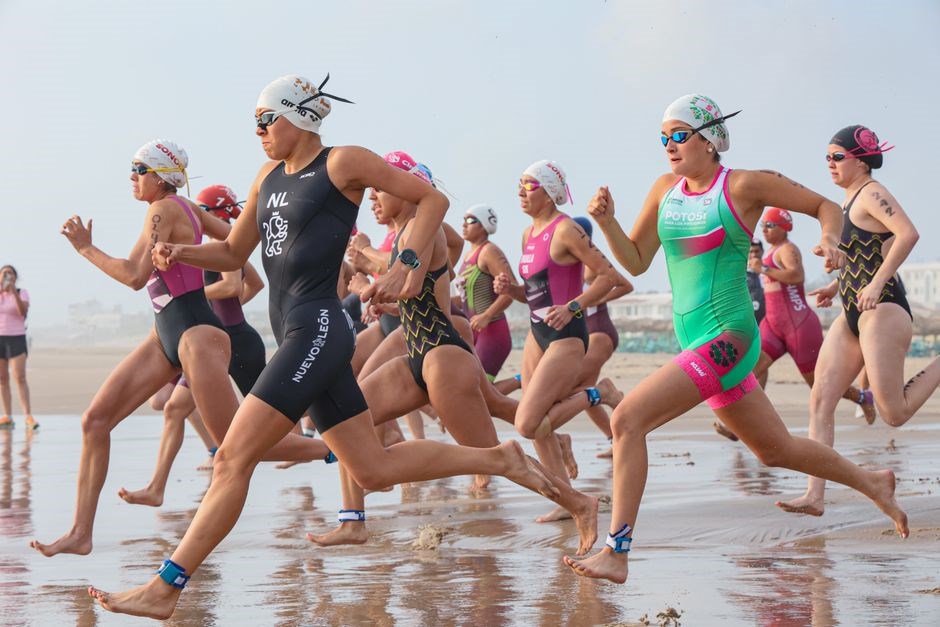
Focus on technique drills, interval sets, and long endurance swims. Use drills like catch‑up, fingertip drag, and single‑arm work to improve efficiency. Schedule 3–4 sessions weekly, totaling 5–10 miles, with progressive volume and race‑simulation drills to build stamina.
Technique Drills, Endurance Sessions, and Race Simulation Workouts
A robust Ironman swim plan hinges on three pillars: precision drills, volume building, and realistic race‑day practice. Begin each session with a 10‑minute warm‑up of easy laps, then dive into targeted drills such as the catch‑up, fingertip drag, and single‑arm pulls to sharpen stroke mechanics and reduce drag. Follow drills with a set of 4–6 x 200‑meter intervals at 85–90 % effort, incorporating a 20‑second rest to mimic the pacing required for a 2.4‑mile swim. For endurance, schedule a long swim once a week that starts at 2,000 meters and increases by 200 meters each week, aiming to reach 3,200–3,500 meters before race week. This volume builds aerobic capacity and mental toughness. Race simulation workouts are essential; once a month, perform a full 2.4‑mile swim in open water or a pool at race pace, including a 15‑minute taper before the final 200 meters to replicate the fatigue of an Ironman. Use a waterproof watch to track split times and adjust pacing as needed. Consistently rotating drills, interval sets, and long swims ensures balanced development, preventing overuse injuries while preparing the body for the unique demands of Ironman triathlon swimming.
In addition, incorporate a weekly “speed” drill of 10 x 50 meters at 110 % effort to improve lactate threshold. Use a kickboard for 4 x 200 meters to strengthen the posterior chain. During endurance swims, maintain a steady 90‑second per 100 meters pace, gradually increasing distance. For race simulation, practice with a wetsuit if you use one, and simulate transitions by timing a 5‑minute transition between swim and bike. Record data to fine‑tune pacing strategies for the actual event. By integrating these elements, athletes create a comprehensive, data‑driven swim program that translates directly into improved race performance and confidence.
Bike Training Strategies
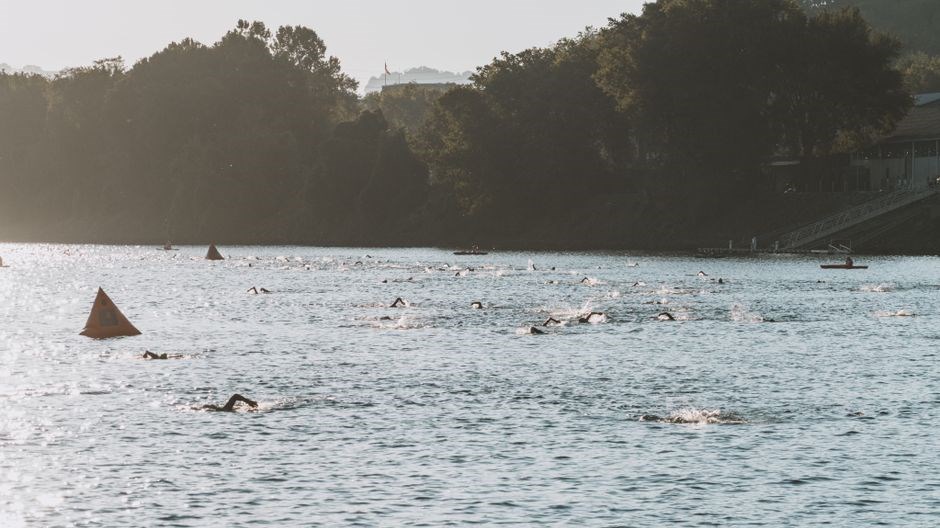
A PDF plan balances long endurance rides, threshold intervals, and brick sessions. Mileage climbs 5–10 % weekly, peaking at 180 miles before taper. Include 2‑hour tempo at 80 % FTP, 4‑hour long rides, and 30‑minute high‑intensity intervals to build power for the 112‑mile race. Builds confidence for race day.
Threshold, Long Endurance, and Transition Skills for the 112-Mile Ride
In a PDF training plan, threshold sessions target 80–90 % FTP, improving lactate clearance and sustaining tempo effort. A typical week includes a 90‑minute interval at 4×10 min, 5 % recovery, followed by a 2‑hour steady ride to reinforce aerobic base. Long endurance rides form the backbone of the program, gradually increasing to 6–8 hours at 60–70 % FTP. These sessions build muscular endurance, mental resilience, and fuel‑management strategies. Transition training is equally critical; practice T2 by riding 30 min immediately after a simulated run, focusing on cadence retention and bike‑handling under fatigue. Incorporate 15‑minute “brick” drills, cycling at race pace for 20 min, then sprinting to finish. The PDF schedule also recommends weekly “race‑simulation” rides: 4–5 hours at target power, including course‑specific climbs and descents. Recovery protocols—active cool‑down, stretching, and foam‑rolling—are embedded after each session to mitigate injury risk. By integrating threshold, long endurance, and transition drills, athletes develop the power, stamina, and confidence required to conquer the 112‑mile challenge.
Consistent training, strategic pacing, disciplined nutrition, and mental focus form the pillars of Ironman bike success and confidence.
Cyclists should also practice cadence drills at 90–100 rpm, use power meters to fine‑tune effort, and simulate race nutrition on the bike. Transition drills involve dismounts, gear changes, fast efficiently during ride to shave seconds off T2. daily now
Run Training Strategies
Build marathon pace by weekly long runs, brick sessions, speed work, and recovery. Use a PDF schedule to track mileage, intensity, and taper. Include tempo runs, interval repeats, and race‑simulation bricks to boost endurance and mental focus for the 26.22‑mile finish.
Marathon Pace, Brick Sessions, and Speed Work for the 26.22-Mile Run
In a PDF plan, marathon‑pace runs anchor the program, typically 18‑22 miles at 10‑12% slower than goal pace, building aerobic base and mental stamina. Brick sessions—bike followed by a short run—train the body to shift gears, improve lactate clearance, and simulate race fatigue. Speed work, such as 800‑m repeats or tempo intervals, sharpens VO₂max and running economy. A structured schedule alternates long runs, bricks, and speed days, allowing recovery and progressive overload. Tracking splits, heart rate, and perceived effort in the PDF ensures consistency, prevents overtraining, and keeps athletes on target for the 26.22‑mile finish. The PDF schedule also incorporates periodization, with base, build, peak, and taper phases, each targeting specific physiological adaptations. Coaches recommend a 12‑week block structure, where weekly mileage climbs by 5‑10% until a peak of 200+ miles, then tapers to 50‑70% of peak volume. Recovery protocols—active rest, mobility work, and sleep hygiene—are embedded to mitigate fatigue. Additionally, the plan outlines transition drills, such as T1 and T2 simulations, to reduce mental shock during the race. By logging workouts in the PDF, athletes can visualize progress, adjust intensity, and stay accountable, ultimately enhancing performance and confidence for the 26.22‑mile finish. The plan also recommends nutrition strategies, such as carbohydrate loading before long sessions, and electrolyte balance during brick sessions, to sustain glycogen stores and prevent cramps. Moreover, mental rehearsal techniques are embedded to build race‑day confidence and peak performance.
Nutrition and Hydration Guidelines
Fuel with 30‑60g carbs/hr, electrolytes, and protein post‑workout. Use a PDF plan to log intake, schedule gels, and plan race‑day hydration every 15‑20min. Balance sodium, potassium, and water to avoid cramps. Pre‑race meals: low fiber, 3‑4h before start.!!!?

Fueling During Training, Race Day Hydration Plan, and Pre-Race Meal Timing
During long training sessions, aim for 30–60 g of carbohydrates per hour, split between gels, chews, and sports drinks. Pair carbs with a modest protein source (e.g., a whey‑based gel) to aid muscle recovery. Hydration should mirror sweat loss: 500–700 ml per hour for most athletes, adjusted for heat and individual sweat rates. Include electrolytes—sodium 200–300 mg, potassium 50–100 mg—to maintain fluid balance and prevent cramping.
Race‑day hydration is a structured routine: begin 30 min before the swim with a 250 ml isotonic drink; during the swim, sip 200 ml every 15 min. Transition to the bike, consume 500 ml every 45 min, alternating between a carbohydrate‑rich drink and a sodium‑enriched gel. For the run, shift to a 200 ml bottle every 20 min, adding a small electrolyte tablet if needed. Finish the final 5 km with a quick 150 ml of pure water to flush the system.
Pre‑race meals should be low in fiber and fat, high in digestible carbs, and taken 3–4 h before the start. A balanced plate might include oatmeal with banana, a small portion of lean protein, and a glass of diluted fruit juice. Avoid new foods or excessive caffeine. Within 30 min of the start, consume a light snack—such as a banana or a small energy bar—to top off glycogen stores without upsetting the stomach.
Recovery, Injury Prevention, and Final Week Sharpening
Recovery hinges on rest days, light cross‑training, and active mobility. Prevent injuries by strengthening core, hips, and ankles, and by monitoring joint pain. In the final week, taper volume, keep intensity high but duration low, and focus on sleep, nutrition, and mental rehearsal. Stayhydrated. Go!!!!
Rest Days, Cross-Training, Common Injury Mitigation, and Tapering
Rest days are scheduled every third training day to allow muscle repair and neural recovery. Light cross‑training such as yoga, swimming, or low‑intensity cycling promotes circulation without adding fatigue. Core stability, hip flexor, and ankle strengthening exercises reduce overuse injuries common in triathletes. A structured taper reduces weekly volume by 20‑30 % each week leading up to race day, while maintaining intensity through short, short intervals. Adequate sleep, balanced nutrition, and mental visualization help solidify gains and prevent burnout
During the final week, the training schedule shifts focus from volume to sharpening. A typical taper plan includes two high‑intensity sessions, one moderate session, and two rest days. Light mobility work, foam‑rolling, and short bike or run intervals keep the body primed without inducing fatigue. Cross‑training such as Pilates or swim drills can enhance core stability and breathing efficiency. Injury mitigation strategies involve monitoring joint pain, using proper footwear, and incorporating dynamic warm‑ups before each session. Adequate hydration and a carbohydrate‑rich diet in the days leading up to the race support glycogen stores. Mental rehearsal, visualization of the course, and a clear pre‑race routine help reduce anxiety and improve confidence on race day
Track sleep fatigue. Adjust intensity as needed. Consistency in logs recovery builds race‑day confidence.!!