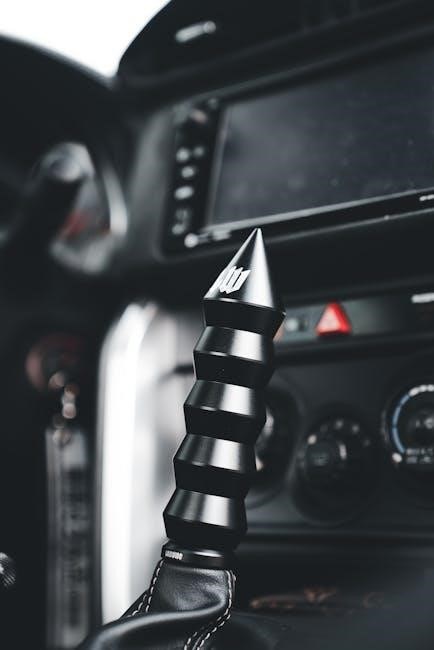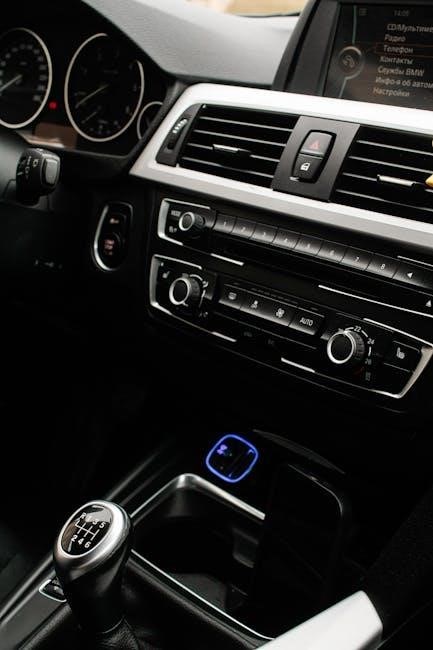
Nissan Frontier 6-Speed Manual Transmission: A Comprehensive Overview
The Nissan Frontier’s 6-speed manual offers a robust driving experience, though issues like clutch failures and synchronizer problems have been reported by owners.
The Nissan Frontier’s manual transmission options have evolved over its lifespan, offering drivers a connected and engaging driving experience. While automatic transmissions gained popularity, the availability of a manual gearbox catered to enthusiasts valuing control and driver involvement. The introduction of the 6-speed manual transmission marked a significant upgrade, providing smoother shifts and improved gear ratios compared to earlier 5-speed versions found in models like the 2006 Frontier.
This transmission became a staple for those seeking a more traditional driving feel, particularly in the mid-2000s Frontier models. However, like any mechanical component, the 6-speed manual isn’t without its potential issues. Reports indicate concerns ranging from clutch wear to synchronizer problems, impacting shift quality and overall reliability. Understanding these potential pitfalls is crucial for Frontier owners and prospective buyers considering a manual transmission model.
Historical Context: D22 and Earlier Nissan Manuals
Nissan’s history with manual transmissions extends back decades, with the D22 Frontier’s predecessors, like the Nissan Hardbody (D21), establishing a reputation for durable, albeit sometimes basic, gearboxes. These earlier manuals, often 5-speed units, prioritized robustness over refinement. The transition to the D22 Frontier saw continued use of the 5-speed, but also laid the groundwork for future improvements.
The introduction of the 6-speed manual in later Frontier models represented a step forward in transmission technology. It aimed to address shortcomings of the earlier designs, offering closer gear ratios for improved acceleration and highway cruising. The Nissan Patrol MQ also featured manual transmissions, showcasing Nissan’s long-standing commitment to offering drivers a choice. Understanding this evolution is key to appreciating the advancements incorporated into the 6-speed, and recognizing potential carry-over issues from previous generations.
The 6-Speed Manual: Specific Model Years & Applications
The Nissan Frontier’s 6-speed manual transmission wasn’t available across all model years. It primarily appeared in the second generation (D40) Frontier, specifically from 2005 through 2011, though availability varied depending on trim level and cab configuration. It was most commonly paired with the 4.0-liter V6 engine, offering a more engaging driving experience than the available automatic option.
Notably, the 6-speed wasn’t offered on all Frontier models concurrently; some years saw it limited to specific trims like the PRO-4X. The transmission was designed to handle the V6’s torque output, providing improved acceleration and control. While the D22 Frontier largely remained with 5-speed options, the introduction of the 6-speed in the D40 marked a significant upgrade for enthusiasts seeking a more connected feel behind the wheel;
Technical Specifications of the 6-Speed Transmission
Technical Specifications of the 6-Speed Manual Transmission

The Nissan Frontier’s 6-speed manual, identified as the F4W81A in some service documentation, is a robust unit designed for the V6 engine’s power. It features a cast-iron case for durability and utilizes double-cone synchronizers on most gears to facilitate smoother shifts. The transmission employs a traditional layout with helical gears for quieter operation.
Its overall ratio spread is designed to balance acceleration and fuel efficiency. The transmission’s weight is approximately 120-130 pounds, contributing to the vehicle’s overall balance. It utilizes a standard 31-spline input shaft and a 32-spline output shaft. The transmission is designed for both 2WD and 4WD applications, with slight variations in the output shaft configuration depending on the drivetrain.
Gear Ratios and Their Impact on Performance
The Nissan Frontier’s 6-speed manual transmission gear ratios are carefully calibrated to optimize performance across various driving conditions. First gear is relatively low, providing strong acceleration from a standstill and aiding in off-road situations. Higher gears, particularly fifth and sixth, are geared for highway cruising, maximizing fuel efficiency and reducing engine RPMs.
The specific ratios contribute to a balance between towing capacity and everyday drivability. Lower numerical ratios in higher gears reduce engine strain at speed, while the lower ratios in first and second provide ample torque for hauling or navigating challenging terrain. These ratios allow for a responsive feel, offering drivers control and confidence.
Components of the 6-Speed Manual Transmission
The Nissan Frontier’s 6-speed manual transmission is a complex system comprised of several key components working in harmony. The gearbox housing, a robust cast-iron structure, protects the internal gears and bearings. Within, synchronizers facilitate smooth gear engagement by matching the speeds of the gears before they mesh.
Shift forks, controlled by the gear linkage, move the synchronizers to select the desired gear. A heavy-duty clutch assembly, including the pressure plate, clutch disc, and release bearing, transmits engine power to the transmission. The pilot bearing supports the transmission input shaft. These components must function precisely to ensure reliable operation and prevent issues like grinding or difficulty shifting.
Gearbox Housing and Internal Structure

The Nissan Frontier’s 6-speed manual transmission features a durable gearbox housing, typically constructed from cast iron, designed to withstand significant stress and protect the intricate internal components. This housing provides a rigid structure, minimizing vibrations and ensuring precise alignment of the gears.
Internally, a network of gears, shafts, and bearings work together to transmit power. The gear ratios are carefully calculated to optimize performance for various driving conditions. Robust bearings support the rotating shafts, reducing friction and wear. The internal structure is designed for efficient lubrication, crucial for longevity and smooth operation. Proper sealing of the housing prevents oil leaks and contamination, safeguarding the transmission’s internal workings.
Synchronizers and Their Function
Synchronizers are critical components within the Nissan Frontier’s 6-speed manual transmission, enabling smooth and quiet gear changes. Their primary function is to equalize the rotational speeds of the gears being engaged before the clutch fully connects them. This prevents grinding and jarring during shifts.
Each synchronizer assembly typically consists of a hub, a sleeve, and friction cones. When a gear is selected, the sleeve moves to engage the corresponding gear, and the friction cones create drag, matching the gear speeds. Worn synchronizers often manifest as grinding noises, particularly when shifting into specific gears. Proper lubrication is essential for synchronizer function, and failure can lead to difficulty selecting gears and a compromised driving experience.
Shift Forks and Linkage
The shift forks and linkage system in the Nissan Frontier’s 6-speed manual transmission are responsible for translating the driver’s gear selection into movement of the synchronizer sleeves. Shift forks are metal levers that engage with the synchronizer sleeves, pushing them to connect the desired gear.
The linkage connects the shift lever in the cabin to the shift forks within the transmission; This system can involve rods, cables, or a combination of both. Wear or damage to the linkage can result in sloppy shifting, difficulty selecting gears, or even gears popping out of engagement. Proper adjustment and lubrication of the linkage are crucial for optimal performance. Inspecting for bent components or loose connections is vital during diagnostics.
Clutch Assembly Details
The Nissan Frontier’s 6-speed manual transmission relies on a robust clutch assembly to smoothly transfer engine power to the gearbox. This assembly typically consists of the pressure plate, clutch disc, release bearing (throw-out bearing), and pilot bearing. The pressure plate clamps the clutch disc against the flywheel, creating friction for power transmission.
The clutch disc itself contains friction material and a torsional damper to absorb engine vibrations. A failing clutch often presents as slipping, difficulty shifting, or a burning smell. The release bearing disengages the clutch when the driver presses the clutch pedal, while the pilot bearing supports the transmission input shaft. Regular inspection and replacement of these components are essential for maintaining optimal clutch performance and preventing transmission damage.
Common Problems and Symptoms
Nissan Frontier owners with the 6-speed manual transmission frequently report several common issues. Clutch failure, often occurring around 34,000 miles in some cases, is a significant concern, manifesting as slipping or difficulty engaging gears. Synchronizer problems are also prevalent, leading to grinding noises during shifting and difficulty selecting specific gears.
Furthermore, issues with the throw-out bearing and pilot bearing can cause whining or rattling sounds, especially when the clutch pedal is depressed. Wheel noise during turns, while potentially stemming from other sources, can sometimes indicate related transmission problems. Recognizing these symptoms early is crucial for timely diagnosis and repair, preventing more extensive and costly damage to the transmission system.
Clutch Failure: Causes and Indicators
Clutch failure in the Nissan Frontier’s 6-speed manual transmission can stem from several factors, including aggressive driving habits, heavy towing, and normal wear and tear. A primary indicator is clutch slippage, noticeable when the engine revs higher than expected during acceleration, without a corresponding increase in speed. Difficulty shifting gears, particularly into first or reverse, is another common symptom.
A burning smell, originating from the clutch area, often accompanies prolonged slippage. A vibrating clutch pedal can suggest uneven wear or damage to the clutch disc. Ignoring these indicators can lead to complete clutch failure, requiring a full clutch assembly replacement, including the disc, pressure plate, and potentially the throw-out bearing.
Synchronizer Issues: Grinding and Difficulty Shifting
Synchronizer problems within the Nissan Frontier’s 6-speed manual transmission frequently manifest as grinding noises when attempting to shift gears, especially into second or third. This occurs because the synchronizers, responsible for matching the speeds of the gears before engagement, are worn or damaged. Difficulty shifting, requiring excessive force or multiple attempts, is another key indicator.
The grinding is most pronounced when the transmission is cold. A “double-clutching” technique might temporarily alleviate the issue, but it’s a sign of underlying wear. Ignoring these symptoms can lead to further damage to the gears themselves. Replacement of the synchronizers, a complex procedure, is typically required to restore smooth shifting.
Throw-Out Bearing and Pilot Bearing Problems
Issues with the throw-out bearing and pilot bearing are common contributors to noise and clutch functionality problems in the Nissan Frontier’s 6-speed manual. The throw-out bearing, also known as the release bearing, facilitates clutch disengagement; a failing bearing often produces a squealing or chirping sound, particularly when the clutch pedal is depressed.
The pilot bearing, located within the crankshaft, supports the transmission input shaft. Wear or failure here results in a rumbling or grinding noise, often constant, and can cause difficulty shifting. Both bearings are relatively inexpensive parts, but replacement requires transmission removal, making labor costs significant. Ignoring these issues can lead to complete clutch failure and potential transmission damage.
Wheel Noise When Turning (Related Transmission Issues)
While seemingly unrelated, wheel noise during turns can sometimes indicate issues within the Nissan Frontier’s 6-speed manual transmission system. Specifically, worn or damaged constant velocity (CV) joints are often the culprit, but their failure can be exacerbated by transmission-related stresses. A clicking or popping sound, increasing with steering angle, is a key symptom.

Furthermore, improper lubrication or internal wear within the transmission itself can transmit vibrations that manifest as wheel noise; Though less common, differential problems can also contribute. Thorough inspection of CV joints, along with checking transmission fluid levels and condition, is crucial for accurate diagnosis. Addressing transmission issues promptly can prevent further damage and costly repairs to the drivetrain.
Diagnostic Procedures
Accurate diagnosis of Nissan Frontier 6-speed manual transmission problems requires a systematic approach. Begin with a thorough visual inspection for leaks around the transmission housing and clutch components. Next, listen carefully for unusual noises – grinding, whining, or clicking – while operating the vehicle in different gears and during turning maneuvers.
A road test is essential to replicate the symptoms and pinpoint when they occur. Checking transmission fluid level and condition is vital; low or contaminated fluid can indicate internal wear. Utilizing an OBD-II scanner can reveal any related diagnostic trouble codes (DTCs). Finally, a careful examination of shift linkage and clutch operation will help isolate the source of the issue.
Identifying the Source of Transmission Noise
Pinpointing the origin of transmission noise in a Nissan Frontier’s 6-speed manual requires careful listening and differentiation. Grinding noises, particularly during shifts, often indicate worn synchronizers. Whining sounds can stem from worn gears or low transmission fluid. Clicking noises, especially when turning, might suggest issues with the CV joints, sometimes mistaken for transmission problems.
A mechanic can use a stethoscope to isolate the noise’s location – gearbox housing, bellhousing, or differential. Noise that changes with vehicle speed often points to gear-related issues, while noise linked to clutch pedal operation suggests clutch or throw-out bearing problems. Thorough inspection and test drives are crucial for accurate diagnosis.
Checking Clutch Operation and Wear
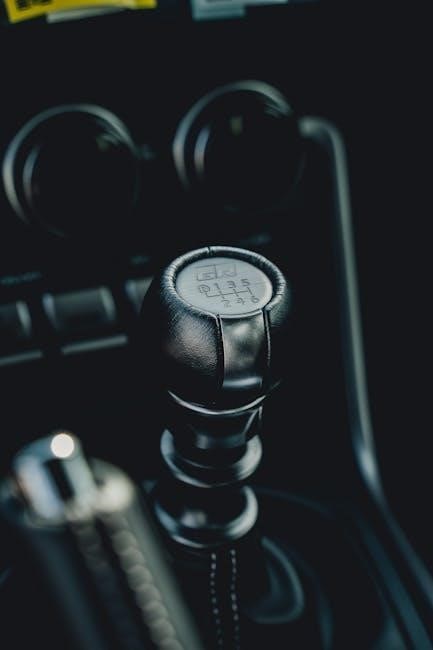
Assessing clutch health in a Nissan Frontier’s 6-speed manual involves several checks. Begin by observing the clutch pedal’s free play and engagement point; excessive travel or a spongy feel indicates potential issues. A slipping clutch manifests as engine RPMs rising without a corresponding increase in vehicle speed, particularly during acceleration.
Inspect the clutch disc for wear, looking for rivet damage or reduced friction material. Examine the pressure plate for heat discoloration or warped surfaces. Checking the throw-out bearing for noise or roughness during pedal operation is also vital. A burnt smell often signals severe clutch overheating and imminent failure, requiring prompt attention.
Inspecting Shift Linkage for Proper Function

A smooth and precise shifting experience in the Nissan Frontier’s 6-speed manual relies heavily on properly functioning shift linkage. Begin by visually inspecting the linkage components – rods, bushings, and pivot points – for wear, damage, or corrosion. Excessive play in these areas can lead to imprecise shifts and difficulty selecting gears.
Check for loose connections or worn bushings that contribute to sloppy shifting. Ensure the linkage moves freely without binding. A common symptom of linkage issues is difficulty engaging certain gears or a feeling of vagueness when shifting. Proper lubrication of pivot points can also improve operation. Any damaged components should be replaced to restore optimal shifting performance.
Repair and Maintenance
Maintaining the Nissan Frontier’s 6-speed manual transmission is crucial for longevity and optimal performance. Regular fluid changes, using the manufacturer-recommended gear oil, are paramount – typically every 30,000 to 60,000 miles, depending on driving conditions. Inspect the transmission for leaks and address them promptly.
Clutch maintenance, including checking for wear and proper operation, is essential. When issues arise, clutch replacement is often necessary, requiring specialized tools and knowledge. Synchronizer replacement, while more complex, addresses grinding or difficulty shifting. For major repairs like transmission removal or installation, professional assistance is highly recommended to ensure correct assembly and avoid further damage.
Fluid Changes: Type and Frequency
Maintaining the correct fluid level and quality is vital for the Nissan Frontier’s 6-speed manual transmission. The recommended fluid type is typically a GL-4 or GL-5 gear oil, with a viscosity grade of 75W-85 or 75W-90, though always verify the owner’s manual for specific recommendations.

Fluid change frequency depends heavily on driving conditions. For normal driving, a change every 30,000 to 60,000 miles is generally sufficient. However, for severe duty – including towing, off-roading, or frequent stop-and-go traffic – more frequent changes, around every 30,000 miles, are advisable. Regularly inspect the fluid for contamination or a burnt smell, indicating a need for an immediate change.
Clutch Replacement Procedure
Replacing the clutch on a Nissan Frontier 6-speed manual transmission is a complex task best left to experienced mechanics, but can be DIY with proper tools and knowledge. It begins with disconnecting the driveshaft, exhaust, and any related components to access the transmission.
The transmission is then removed, revealing the clutch assembly. Carefully inspect the flywheel for wear or damage, resurfacing or replacing it as needed. The pressure plate, friction disc, and throw-out bearing are then removed and replaced with new components. Reassembly involves aligning the clutch disc, reinstalling the transmission, and reconnecting all previously disconnected parts.
Synchronizer Replacement Guide
Replacing synchronizers within the Nissan Frontier’s 6-speed manual transmission requires complete gearbox disassembly, demanding significant mechanical skill. Begin by removing the transmission and carefully opening the case to access the internal components.
Identify the worn synchronizers – often indicated by grinding during shifts – and carefully remove the affected gears and related hardware. New synchronizers are then installed, ensuring proper alignment and lubrication. Thorough inspection of the gear teeth is crucial during this process, addressing any damage found.
Reassembly requires meticulous attention to detail, following the factory service manual’s torque specifications. Proper lubrication is vital for smooth operation and longevity of the rebuilt transmission.
Transmission Removal and Installation
Removing the Nissan Frontier’s 6-speed manual transmission is a complex undertaking, best suited for experienced mechanics. Begin by disconnecting the driveshaft, shift linkage, and all electrical connections. Support the engine from above to prevent tilting during removal.
Carefully lower the transmission using a transmission jack, ensuring no hoses or wires remain connected. Installation follows the reverse procedure, requiring precise alignment with the engine and careful tightening of all mounting bolts to factory specifications.
Properly filling the transmission with the correct fluid type and quantity is crucial after installation. A thorough test drive is essential to verify smooth shifting and identify any potential leaks or issues.
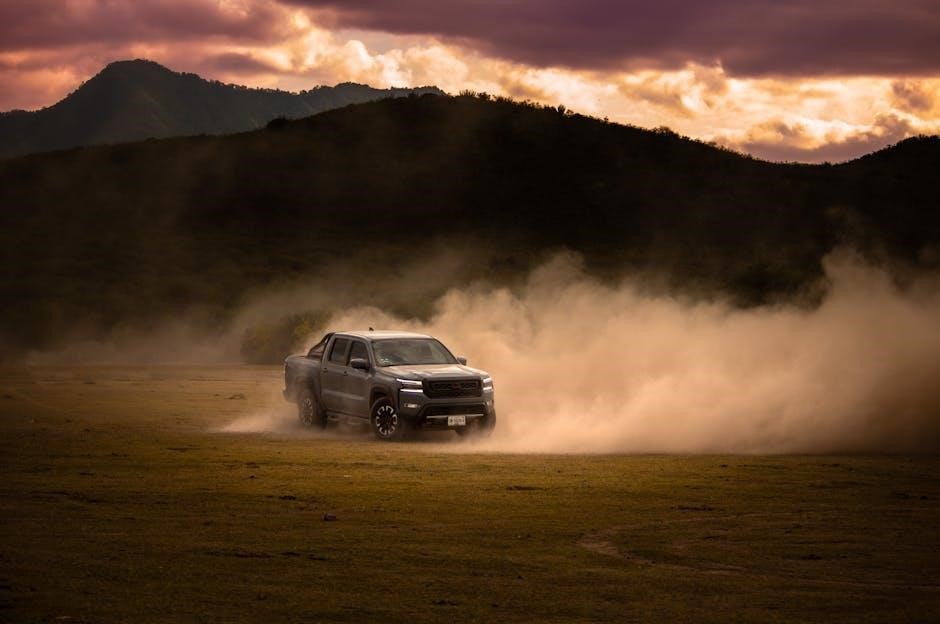
Nissan Frontier Transmission CVT Problems (Comparison)
Compared to the robust 6-speed manual, Nissan Frontier models equipped with Continuously Variable Transmissions (CVTs) have faced significantly more reliability concerns. Owners frequently report issues like shuddering, slipping, and complete failure, often requiring costly replacements.
The CVT’s complexity and reliance on a belt and pulley system make it more prone to wear and tear than the simpler, more durable manual transmission. While CVTs offer fuel efficiency advantages, the long-term ownership costs can be higher due to potential repair needs.
The 6-speed manual, while requiring driver skill, generally provides a more dependable and predictable transmission experience, avoiding the common pitfalls associated with the Frontier’s CVT variants.
Aftermarket Upgrades and Performance Enhancements
For Nissan Frontier enthusiasts with the 6-speed manual, several aftermarket upgrades can enhance both performance and driving enjoyment. Clutch kits offering increased clamping force improve power handling and reduce slippage, crucial for modified engines.
Short-throw shifters provide quicker, more precise gear changes, creating a sportier feel. Upgraded shift knobs offer improved grip and control. Strengthening the shift linkage can eliminate slop and ensure accurate engagement.
Furthermore, performance-focused flywheels can optimize engine response. While less common, some tuners offer transmission gear ratio adjustments for specific applications. These modifications cater to those seeking a more engaging and capable manual transmission experience.
Resources for Parts and Service
Locating parts and qualified service for the Nissan Frontier’s 6-speed manual transmission requires exploring various avenues. Online Nissan parts retailers, such as NissanPartsDeal and others, offer a wide selection of genuine components.
Specialty transmission shops with experience in Nissan vehicles are invaluable for complex repairs or rebuilds. Local mechanics familiar with manual transmissions can handle routine maintenance like fluid changes.
Online forums dedicated to the Nissan Frontier provide a wealth of information and connect owners with experienced individuals. Nissan dealerships can also provide service, though often at a higher cost.
For diagnostic information and repair manuals, resources like AlldataDIY and Haynes manuals are beneficial. Prioritizing reputable sources ensures quality parts and skilled service.
NHTSA Complaint Data Analysis (Common Issues Reported)
Analyzing National Highway Traffic Safety Administration (NHTSA) complaint data reveals recurring issues with the Nissan Frontier’s 6-speed manual transmission. Reports indicate premature clutch assembly failures, sometimes occurring at relatively low mileage, such as around 34,000 miles as noted in some owner accounts.
Complaints also highlight problems with synchronizers, manifesting as grinding during shifts or difficulty engaging gears. Wheel noise when turning, potentially linked to transmission-related components, appears in some reports, suggesting possible bearing or differential concerns.
While the data isn’t exhaustive, it points to a pattern of mechanical failures within the transmission system. Owners frequently detail the challenges of diagnosing these issues and the associated repair costs.
Reviewing NHTSA complaints provides valuable insight into real-world reliability and potential problem areas for Frontier owners considering this transmission.
Long-Term Reliability and Ownership Considerations
Long-term ownership of a Nissan Frontier with the 6-speed manual transmission requires proactive maintenance to mitigate potential issues. Regular fluid changes are crucial, and monitoring clutch operation for signs of wear is essential, given reported failures at lower mileages.
Owners should be attentive to any grinding during shifts, indicating possible synchronizer problems, and address these promptly to prevent further damage. The potential for wheel noise when turning suggests the need for periodic inspection of related components.
Considering the reported issues, a thorough pre-purchase inspection by a qualified mechanic is highly recommended for used Frontier models.
While the manual transmission offers a more engaging driving experience, it demands greater driver awareness and a commitment to preventative maintenance for sustained reliability.