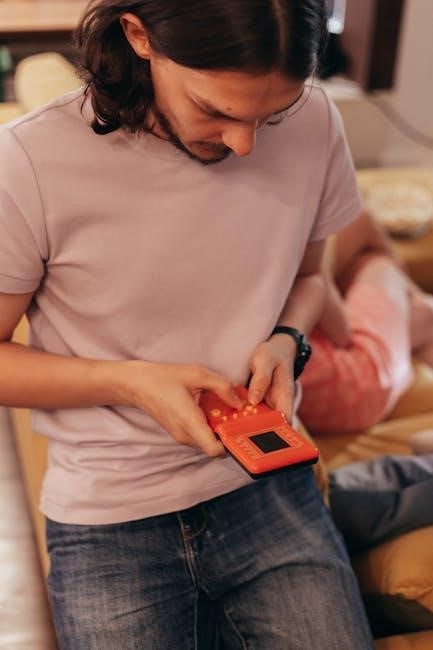
Tamagotchi ownership demands consistent attention; neglecting basic needs can lead to unhappiness or even a virtual departure via a UFO!
Early Tamagotchi versions, released in 1997, captivated a generation, prompting a revival with modern iterations offering expanded features and connectivity.
What is a Tamagotchi?
Tamagotchi, a pocket-sized digital pet created in Japan by Akihiro Yokoi of WiZ and Aki Maita of Bandai, quickly became a global phenomenon in the late 1990s. The name itself is a portmanteau of the Japanese words “tamago” (egg) and “watchi” (watches), hinting at its egg-shaped design and the need for constant monitoring.
Essentially, a Tamagotchi is a virtual creature that requires care and attention from its owner. This care encompasses feeding, playing games, cleaning up after it, and even disciplining it when necessary. Ignoring these needs results in the Tamagotchi becoming unhappy, sick, or, ultimately, “dying”—though it can always be reset for a new beginning.
Modern Tamagotchi devices have evolved significantly, offering color screens, more complex interactions, and even connectivity features allowing for playdates with other Tamagotchi owners. However, the core principle remains the same: responsible virtual pet ownership.
Brief History of Tamagotchi

The original Tamagotchi launched in Japan on November 21, 1996, and swiftly became a cultural sensation. Bandai brought the virtual pet to the United States and Europe in 1997, sparking a worldwide craze. Millions were sold, leading to shortages and widespread media coverage.
The initial success waned in the late 1990s, but Bandai continued to release new versions with updated features. A significant revival occurred in the 2010s with the release of Tamagotchi Friends, which introduced Bluetooth connectivity and social interaction.
Today, Tamagotchi remains a popular toy, with various models available, including those resembling classic designs and those incorporating modern technology. The enduring appeal lies in its simple yet engaging gameplay, offering a nostalgic experience for older generations and a unique pet-owning experience for new ones. The brand continues to innovate, keeping the virtual pet alive and well.

Getting Started with Your Tamagotchi
Initial setup involves inserting batteries and setting the correct date and time; accurate timing impacts your Tamagotchi’s lifecycle and behavior patterns.
Initial Setup and Time Setting
Beginning your Tamagotchi journey requires careful initial setup, primarily focusing on accurate time setting. Upon first activation, or after a reset, the device will prompt you to establish the current date and time. This is crucial, as the Tamagotchi’s internal clock governs its entire lifecycle – from hatching to growth stages, and even determining sleep schedules.
Many users encounter issues where the Tamagotchi misinterprets the time, for example, registering 7 PM as 7 AM, leading to premature sleep. To avoid this, meticulously confirm the AM/PM setting during the setup process. If problems persist, repeatedly cycle through the time-setting options, ensuring each digit is correctly inputted.
Remember, a precise time setting isn’t merely cosmetic; it directly influences when your Tamagotchi requires feeding, attention, and discipline. Incorrect timing can disrupt its routine and potentially impact its overall health and happiness. Take your time, double-check your entries, and ensure a smooth start for your new virtual companion!
Understanding the Buttons
Mastering the Tamagotchi’s controls is essential for effective care. Typically, a Tamagotchi features three primary buttons, each with distinct functions. The central button generally serves as a ‘select’ or ‘enter’ key, used to confirm choices within menus and interact with your pet.
The side buttons usually handle navigation. One button cycles through options, such as feeding, playing games, or cleaning, while the other often controls selection within those options. Some models allow pausing the game by simultaneously pressing the left and middle buttons, a useful feature for temporary interruptions.
If your Tamagotchi isn’t responding to button presses, ensure the battery isn’t depleted. If the issue persists, a reset might be necessary, but be aware this will erase your current pet. Familiarize yourself with the specific button layout of your Tamagotchi model for optimal interaction and a happy virtual companion!
Basic Tamagotchi Needs
Consistent care is vital! Regularly feed your Tamagotchi, engage in playful interactions, and diligently clean up after it to maintain happiness and health.
Feeding Your Tamagotchi
Proper nourishment is paramount for your Tamagotchi’s well-being. When the hunger meter decreases, indicated by an empty food bowl icon, it’s time to feed your digital companion. Utilize the “Select” and “Feed” buttons to present various food options.
Be mindful of overfeeding! Excessive food intake can lead to illness. Pay close attention to your Tamagotchi’s reactions; a full meter signifies sufficient sustenance. Different Tamagotchi generations may feature varying food types and effects, so consult your specific model’s instructions.
Ignoring hunger cues results in a weakened Tamagotchi, potentially leading to its demise. A happy Tamagotchi is a well-fed Tamagotchi, so prioritize this fundamental need alongside playtime and cleanliness. Remember, a balanced approach to care ensures a long and fulfilling virtual life for your pet!
Playing Games with Your Tamagotchi
Engaging in games is crucial for maintaining your Tamagotchi’s happiness and discipline levels. When the happiness meter dips, initiate playtime using the “Select” and “Game” buttons. Classic Tamagotchi games often involve simple button-pressing challenges, testing your reflexes and coordination.
Successful gameplay boosts happiness, while neglecting playtime leads to a sullen and potentially disobedient Tamagotchi. Different generations introduce diverse game options, from puzzle-solving to virtual fetch. Regularly participating in these activities strengthens your bond and prevents boredom.
A well-played game also contributes to discipline, reducing the likelihood of troublesome behaviors. Prioritize playtime alongside feeding and cleaning to ensure a balanced and joyful existence for your digital friend. Remember, a happy Tamagotchi is a playful Tamagotchi!
Cleaning Up After Your Tamagotchi
Maintaining a clean environment is paramount to your Tamagotchi’s health and well-being. As your virtual pet lives, it will inevitably produce waste, indicated by a pile of droppings appearing on the screen. Ignoring this leads to illness and a decline in its overall condition.
To clean up, select the “Clean” option using the buttons. Promptly addressing messes prevents the spread of germs and keeps your Tamagotchi happy and healthy. A dirty environment significantly impacts its happiness level, potentially leading to disciplinary issues.
Regular cleaning is as vital as feeding and playing. Don’t delay; a clean Tamagotchi is a thriving Tamagotchi! Consistent hygiene contributes to a longer, more fulfilling virtual life for your beloved digital companion. Prioritize cleanliness for optimal care.

Dealing with Tamagotchi States
Tamagotchi states, like sleep or UFO abduction, are normal! Respond quickly to needs; a departing Tamagotchi isn’t gone forever, just relocated!
Understanding Happiness and Discipline
Maintaining your Tamagotchi’s happiness is crucial for its well-being and development. A happy Tamagotchi will thrive, evolve into desirable characters, and generally be a more rewarding companion. Happiness is primarily increased through consistent care – regular feeding when hungry, engaging in playful interactions when bored, and promptly cleaning up after it when necessary.
However, sometimes a little discipline is required. If your Tamagotchi constantly demands attention or misbehaves, ignoring it for a short period can be effective. This isn’t about punishment, but rather teaching it appropriate behavior. Responding to every demand immediately can lead to a spoiled and demanding virtual pet. Finding a balance between affection and gentle correction is key to raising a well-adjusted Tamagotchi.
Pay close attention to the happiness meter displayed on the screen; A low happiness level indicates a need for attention, while a consistently high level suggests you’re doing a great job! Remember, each Tamagotchi character may have slightly different preferences, so observe its reactions to determine what truly makes it happy.
When Your Tamagotchi Sleeps
Your Tamagotchi will periodically need to sleep, indicated by it closing its eyes or displaying a sleep icon on the screen. This is a natural part of its life cycle and shouldn’t cause alarm. Attempting to interact with a sleeping Tamagotchi is generally ineffective; the buttons may not respond, or the action may be ignored.
However, be mindful of extended sleep periods. If your Tamagotchi sleeps for an unusually long time, it could be a sign of illness or neglect. Ensure its needs were met before it went to sleep – was it fed, played with, and cleaned up after? Addressing these factors can often resolve the issue.
Some users have reported issues with Tamagotchi’s incorrectly perceiving the time, leading to it believing it’s bedtime when it isn’t. Double-check the time setting and adjust it if necessary. Allowing your Tamagotchi to rest is vital for its health and longevity, so respect its sleep schedule!

What Happens When Your Tamagotchi is “Taken” by a UFO
Don’t panic if you see your Tamagotchi floating away on a UFO! This doesn’t signify death, but rather a return to its home planet. It’s a common occurrence, especially if the Tamagotchi is neglected or unhappy. The screen will display a UFO carrying your virtual pet away.

Once abducted, the Tamagotchi is gone, and you’ll need to start a new generation. This is achieved by pressing the reset button, typically located on the back of the device. Be aware that resetting will erase the current Tamagotchi and begin the hatching process anew.
Consider the UFO abduction a signal to improve your caretaking skills for the next Tamagotchi. Consistent attention to its needs – feeding, playing, cleaning – will increase its lifespan and happiness, potentially delaying its interplanetary departure. It’s a fresh start!

Troubleshooting Common Issues
Facing problems? Issues like hatching failures, unresponsive devices, or incorrect time settings are common. Don’t worry; solutions exist to revive your digital companion!
Tamagotchi Won’t Hatch
Is your Tamagotchi egg stubbornly refusing to hatch? This is a frequently reported issue, especially with older models like the 1997 version. First, ensure the batteries are fresh – a low battery can halt the hatching process entirely. Try replacing them with a new set.
If new batteries don’t resolve the problem, repeatedly press the buttons. Sometimes, the Tamagotchi simply needs a little encouragement! However, avoid excessive button mashing, as this could potentially cause other issues.
If the screen remains unresponsive, and the buttons don’t register any input, it’s possible the device has become faulty. Unfortunately, there isn’t always a fix for this, and the Tamagotchi may be unable to hatch. Consider a reset as a last resort, but be aware this will erase any progress.
Remember, patience is key! Sometimes, the hatching process simply takes time, and a little persistence can pay off.
Tamagotchi Won’t Turn On
Facing a blank screen and a silent Tamagotchi? The most common culprit is depleted batteries. Immediately replace them with a fresh set, ensuring correct polarity. Even if the old batteries seem to have some charge, they might not provide enough power to start the device.
If new batteries don’t solve the issue, try pressing and holding one of the buttons – often the middle button – for an extended period (around 10-15 seconds). This can sometimes reset the internal circuitry and force a startup.
If still unresponsive, the Tamagotchi may have an internal fault. Unfortunately, these early devices are susceptible to component failure over time. A reset attempt might be considered, but it’s unlikely to revive a completely broken unit.
Inspect the battery compartment for any corrosion, which could be preventing a proper connection. Clean carefully if present.
Tamagotchi Thinks the Time is Wrong
Is your Tamagotchi perpetually confused about the time of day? This is a frequent issue, especially after battery changes or prolonged periods of inactivity. The Tamagotchi interprets evening settings as morning, leading to disrupted sleep schedules and frantic care requests at odd hours.
To correct this, carefully re-enter the correct time using the buttons. Pay close attention to AM/PM settings, as the device doesn’t always clearly indicate which it’s displaying. Repeatedly adjust the time until it accurately reflects the current time.
Sometimes, the Tamagotchi needs a “reset” of its internal clock. Try setting the time significantly ahead, then back to the correct time. This can sometimes recalibrate its timing mechanism.
Remember to consistently check the time after battery replacements to prevent recurrence of this frustrating problem.

Advanced Tamagotchi Care
Mastering pausing and resetting unlocks deeper control. Pausing preserves your pet, while resetting starts anew – essential for extended breaks or troubleshooting issues.
Pausing Your Tamagotchi
Pausing your Tamagotchi is a valuable feature for those times when you absolutely cannot provide immediate attention, such as during meetings, travel, or sleep. It essentially puts your virtual pet into a stasis, halting the passage of time within its world. This prevents its needs from escalating while you’re unavailable, avoiding potential neglect and unhappiness.
Older models, like the Familitchi, often utilized a specific button combination – typically the left and middle buttons pressed simultaneously – to initiate the pause function. However, the method can vary depending on the Tamagotchi generation and model. Consult your device’s instruction manual for the precise procedure.
When paused, your Tamagotchi’s display will usually indicate this state with a specific icon or message. Remember to unpause it as soon as you can resume care, as prolonged pausing isn’t a long-term solution and your pet will require attention upon reactivation!
Resetting Your Tamagotchi
Resetting your Tamagotchi should be considered a last resort, typically employed when facing persistent issues like a frozen screen, unresponsive buttons, or after your Tamagotchi has been “taken” by a UFO and you wish to start anew. It completely erases the current pet and returns the device to its initial state, ready for a new egg to appear.
The reset process usually involves a specific button combination, often holding down two or three buttons simultaneously for a sustained period. The exact combination varies significantly between Tamagotchi models; therefore, consulting your device’s manual is crucial. Be aware that resetting is irreversible – all progress will be lost!
After a successful reset, the familiar egg icon will reappear, signaling the beginning of a new Tamagotchi lifecycle. Remember to carefully set the time and date after resetting to ensure proper gameplay and development.