
Section 1: Overview of Anabolic Nutrition
Discover how the anabolic cookbook 3.0 pdf streamlines muscle gains by outlining precise macro ratios, timing, and ingredient choices. It blends science with flavor, guiding readers through tailored meal plans that fuel growth and recovery while keeping calorie control simple. Enjoy science

Understanding the Anabolic Window

The anabolic cookbook 3.0 pdf demystifies the critical 30‑minute “anabolic window” that experts say is the prime period for nutrient uptake and muscle protein synthesis. By aligning protein, carbohydrate, and micronutrient intake immediately after training, the guide helps athletes maximize recovery, replenish glycogen stores, and stimulate muscle repair. It explains that the window is not a rigid 30‑minute slot but a flexible 60‑minute window that can be extended with strategic pre‑workout fueling. The pdf includes evidence‑based formulas for calculating optimal protein doses, such as 0.25–0.30 g per kilogram of body weight, and carbohydrate loads tailored to training intensity. It also addresses the role of insulin, the hormone that facilitates amino acid transport into muscle cells, and how simple foods like fruit or honey can spike insulin without excessive calories. Readers learn how to combine whey isolate, casein, or plant‑based proteins with complex carbs for balanced digestion rates, ensuring a steady supply of amino acids during the post‑exercise period. The cookbook further discusses the importance of micronutrients—particularly magnesium, zinc, and vitamin D—in supporting enzymatic reactions that drive protein synthesis. By integrating these insights, the anabolic cookbook 3.0 pdf equips users with a practical, science‑backed framework to time meals, adjust macronutrient ratios, and ultimately accelerate hypertrophy while preserving lean tissue.
Readers can download the PDF for printable recipes charts!?
Macronutrient Ratios for Muscle Hypertrophy
According to the anabolic cookbook 3.0 pdf, the optimal macronutrient distribution for muscle hypertrophy hinges on a balanced intake of protein, carbohydrates, and fats, each playing a distinct role in anabolic signaling, glycogen replenishment, and hormonal regulation. A commonly cited framework recommends a protein density of 1.6 to 2.2 g per kilogram of body weight per day, which translates to roughly 30–35 % of total caloric intake for most athletes. This range ensures a steady supply of essential amino acids, particularly leucine, to trigger the mTOR pathway and sustain muscle protein synthesis throughout the day. Carbohydrates should occupy 45–55 % of the diet, with a focus on complex sources such as oats, sweet potatoes, and whole grains. These foods provide a slow, steady release of glucose, maintaining glycogen stores and supporting high‑intensity training sessions. The remaining 15–25 % of calories should come from healthy fats, including omega‑3 fatty acids, which modulate inflammation and improve insulin sensitivity. The anabolic cookbook 3.0 pdf also emphasizes the importance of micronutrient density, recommending foods rich in zinc, magnesium, and vitamin D to facilitate enzymatic reactions involved in protein synthesis. By tailoring macro ratios to individual energy expenditure and training volume, the guide helps readers avoid over‑ or under‑feeding while maximizing lean mass accrual. The document provides a step‑by‑step calculator that integrates body weight, activity level, and desired body composition changes, allowing for precise adjustments over time. Adhering to these ratios, combined with consistent training and adequate sleep, creates a synergistic environment that optimizes anabolic potential and accelerates hypertrophic outcomes.
Section 2: Key Ingredients for Muscle Growth
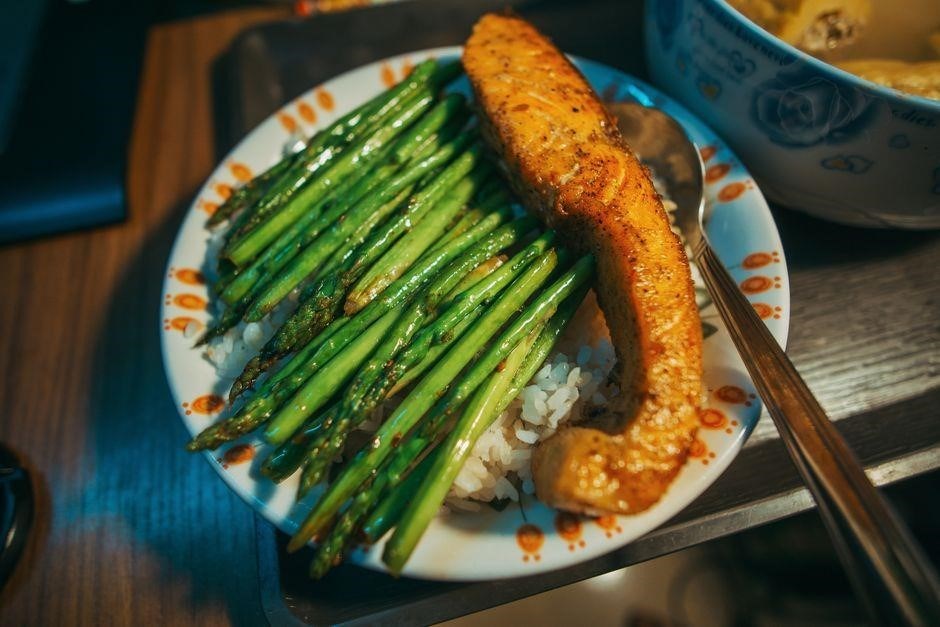
The anabolic cookbook 3.0 pdf spotlights essential ingredients: high‑quality whey, casein, and plant proteins for amino acid diversity; creatine monohydrate to boost power; BCAAs for recovery; and antioxidant‑rich foods like berries and leafy greens to reduce oxidative stress. for gains. now
Protein Sources: Whey, Casein, Plant-Based
The anabolic cookbook 3.0 pdf presents a comprehensive guide to protein selection, emphasizing three primary categories: whey, casein, and plant‑based sources. Whey, known for its rapid digestion and high leucine content, is ideal for post‑workout recovery, delivering essential amino acids within the anabolic window. Casein, a slow‑digesting protein, provides a steady release of amino acids over several hours, making it perfect for overnight muscle repair and preventing catabolism during sleep. Plant‑based proteins, such as pea, hemp, and brown rice, offer a complete amino acid profile when combined, and are rich in fiber, antioxidants, and micronutrients that support overall health and recovery. The cookbook details optimal serving sizes, timing strategies, and recipe variations that integrate these proteins into balanced meals, ensuring that each macronutrient aligns with training demands and caloric goals. By following the structured protein plan outlined in the PDF, readers can maximize muscle protein synthesis, reduce muscle soreness, and achieve sustainable hypertrophy while maintaining dietary diversity and nutritional adequacy. Additionally, the guide explains how to pair proteins with carbohydrates and healthy fats to optimize insulin response, as well as how to adjust protein intake based on body composition goals, training intensity, and recovery needs. It also includes a quick reference table summarizing protein quality scores, digestibility, and practical serving suggestions for each source, enabling athletes to make informed choices without sacrificing taste or convenience. Readers are encouraged to experiment with protein blends, using the cookbook’s suggested ratios to tailor meals to personal preferences and dietary restrictions. The PDF also offers a section on protein timing myths, debunking common misconceptions and reinforcing evidence‑based practices for optimal muscle growth. Finally, a troubleshooting guide addresses common issues such as protein intolerance, digestive discomfort, and plateauing gains, providing practical solutions to keep progress on track.
Creatine and Branched-Chain Amino Acids (BCAAs)
The anabolic cookbook 3.0 pdf dedicates a full section to the synergistic use of creatine monohydrate and BCAAs, explaining how these supplements enhance muscle strength, endurance, and recovery. Creatine, a naturally occurring compound found in red meat and fish, stores high‑energy phosphocreatine in muscle fibers, allowing rapid ATP regeneration during high‑intensity lifts. The PDF outlines a loading phase of 20 g per day for five days, followed by a maintenance dose of 5 g daily, and recommends mixing the powder with a carbohydrate source to increase insulin‑mediated uptake. BCAAs—leucine, isoleucine, and valine—are highlighted for their role in stimulating mTOR signaling pathways, reducing muscle protein breakdown, and providing an immediate energy source during prolonged training. The guide compares the efficacy of isolated BCAA blends versus whole‑protein meals, noting that while whole proteins deliver a broader amino‑acid spectrum, BCAAs can be advantageous for athletes on low‑protein diets or those seeking rapid post‑workout replenishment. Practical dosing schedules are provided: 5–10 g of creatine before or after workouts, and 5–10 g of BCAAs 15–30 min pre‑workout or during cardio sessions. The PDF also addresses hydration recommendations, potential side effects, and the importance of cycling supplements to maintain sensitivity. A troubleshooting table lists common questions such as “Will creatine cause weight gain?” and “Can BCAAs replace protein?” with evidence‑based answers. By integrating the protocols from the anabolic cookbook 3.0 pdf, readers can optimize their supplement stack for maximal hypertrophy and performance gains while minimizing unnecessary caloric intake.
Section 3: Meal Timing and Frequency

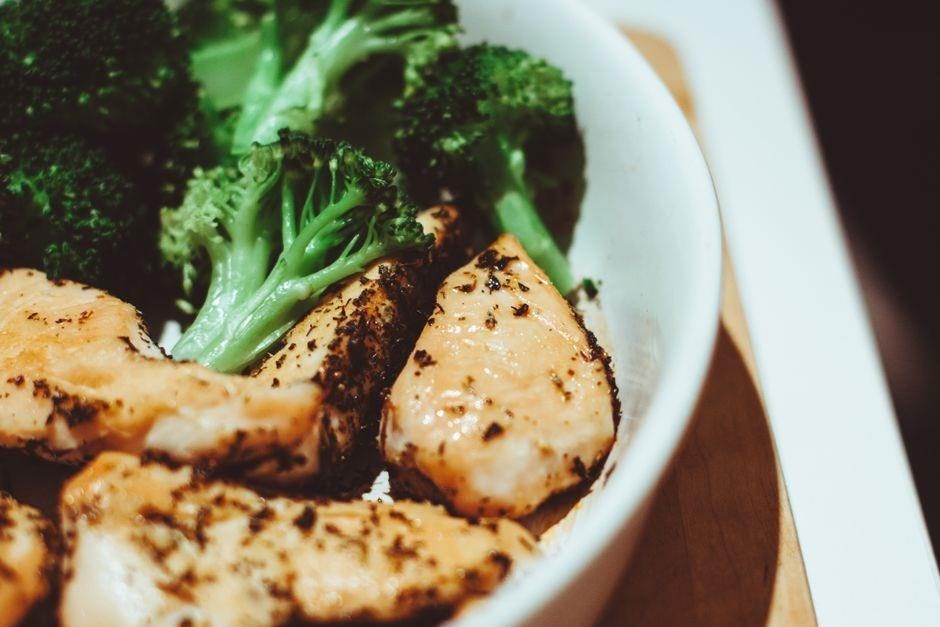
The anabolic cookbook 3.0 pdf outlines precise meal timing: 3–4 pre‑workout snacks, a protein‑rich post‑workout shake within 30 min, and 5–6 balanced meals spaced 3–4 h apart. It emphasizes nutrient density, insulin spikes, and recovery windows for optimal hypertrophy. Follow schedule gain
Pre-Workout Nutrition Strategies
The anabolic cookbook 3.0 pdf presents a comprehensive pre‑workout framework that balances macronutrients, micronutrients, and timing to maximize glycogen replenishment, muscle protein synthesis, and hormonal responsiveness. It recommends a 30‑minute window before training, during which athletes consume a blend of fast‑digesting carbohydrates (e.g., 30–40 g of dextrose or maltodextrin) paired with 20–25 g of whey protein isolate to stimulate insulin release and provide essential amino acids. This combination not only fuels high‑intensity effort but also primes the muscle for post‑exercise repair. Additionally, the guide highlights the importance of electrolytes—sodium, potassium, and magnesium—to maintain hydration and prevent cramping. A small dose of caffeine (approximately 3 mg/kg body weight) is suggested to enhance focus and power output, while a pre‑workout supplement containing beta‑alanine and citrulline malate can further improve endurance and reduce fatigue. The pdf also advises against heavy fats or fiber immediately before lifting, as they can delay gastric emptying and reduce performance. Instead, a light, easily digestible snack such as a banana with a tablespoon of almond butter or a rice‑cereal bar is ideal; Finally, the document underscores the value of a post‑workout carbohydrate‑protein ratio of 3:1 for optimal glycogen restoration, recommending a recovery shake within 15 minutes of finishing the session. By adhering to these evidence‑based strategies, users of the anabolic cookbook 3.0 pdf can consistently elevate training intensity, accelerate muscle hypertrophy, and achieve superior body composition outcomes.
Post-Workout Recovery Meals
The anabolic cookbook 3.0 pdf outlines a recovery meal strategy that prioritizes protein synthesis, glycogen restoration, and anti‑inflammatory support. Within 30 minutes after training, athletes should consume 25–30 g of high‑biological‑value protein—whey isolate or a lean meat source—paired with 40–50 g of complex carbohydrates such as sweet potato or brown rice. This 3:1 carbohydrate to protein ratio optimizes insulin‑mediated uptake of amino acids into muscle fibers. The guide also recommends adding a small portion of healthy fats (e.g., 1 Tbsp of flaxseed oil) to support hormone production and satiety without compromising digestion. Micronutrient density is addressed by including antioxidant‑rich vegetables like spinach, bell pepper, and berries, which reduce exercise‑induced oxidative stress. A post‑workout beverage featuring electrolytes and a modest dose of caffeine (if desired) can aid rehydration and alertness. The anabolic cookbook 3.0 pdf further advises incorporating a protein‑carb shake or a balanced meal within 2 hours of training to sustain anabolic signaling. By following this structured approach, users achieve faster muscle repair, enhanced glycogen replenishment, and a steady progression toward hypertrophy strength gains and lasting gains.

Section 4: Sample Meal Plans
The anabolic cookbook 3.0 pdf offers a 5‑day rotating menu featuring high‑protein breakfasts, balanced lunches, and nutrient‑dense dinners. Each day includes 3 meals and 2 snacks, totaling 2,800–3,200 calories with 35% protein, 45% carbs, 20% fats.!!!
Breakfast: Protein-Packed Smoothie
Start your day with the ultimate anabolic breakfast, as featured in the anabolic cookbook 3.0 pdf. This high‑protein smoothie blends 2 scoops of whey isolate, 1 cup of Greek yogurt, 1 ripe banana, 1 cup of frozen berries, 1 tablespoon of almond butter, 1 tablespoon of chia seeds, and 1 cup of unsweetened almond milk. Blend until silky, then pour into a 16‑oz glass. The whey isolate provides 24 g of fast‑digesting protein, while the Greek yogurt adds 10 g of casein for sustained release. Banana delivers quick carbs for glycogen replenishment, and berries supply antioxidants that mitigate oxidative stress. Almond butter and chia seeds contribute healthy fats and omega‑3s for hormone production and joint health. This smoothie hits 500 kcal, 48 g protein, 60 g carbs, and 12 g fat—perfect for the anabolic window. Adjust thickness by adding ice or more milk, and flavor by swapping fruit. Pair with a side of oatmeal or a boiled egg for extra calories if needed. The recipe is versatile; swap whey for pea protein for a plant‑based version, and use coconut milk for a dairy‑free option. The anabolic cookbook 3.0 pdf also offers variations, such as a green smoothie with spinach, kale, and cucumber, or a chocolate‑protein version with cocoa powder and stevia. Consistency is key: consume within 30 minutes post‑wake to maximize muscle protein synthesis and kick‑start your metabolic rate. Enjoy the taste, the texture, and the science behind every sip. Hydrate at least 3 liters daily to support muscle function, recovery, and overall performance, ensuring optimal hydration now!

Section 5: Advanced Cooking Techniques
The anabolic cookbook 3.0 pdf presents sous‑vide, reverse sear, and flash‑roasting to lock in protein, flavor, and nutrients. These techniques preserve texture, reduce cooking time, and boost muscle repair for optimal growth. and muscle tone!!!
Sous‑Vide for Tender Lean Meat
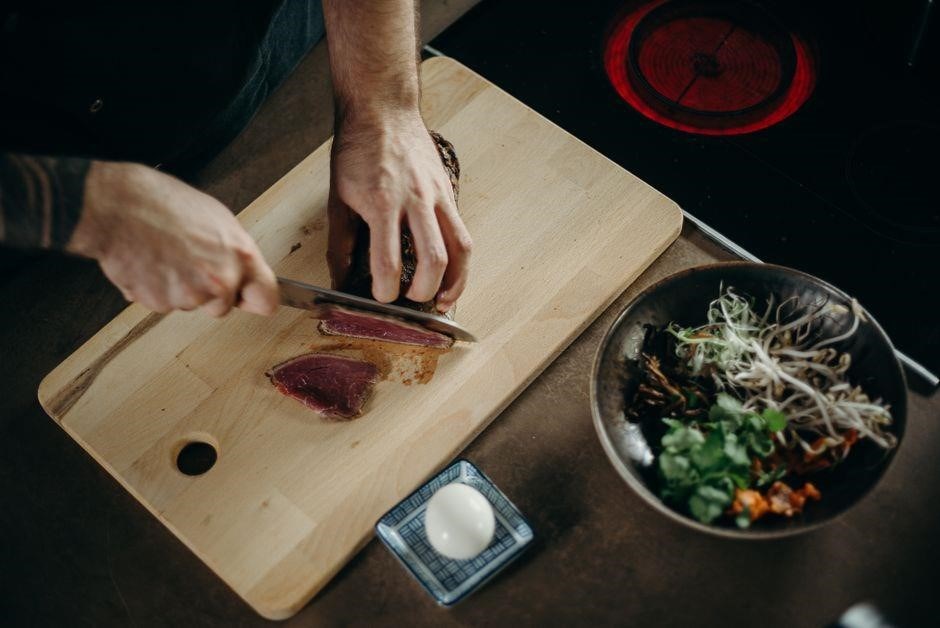
In the anabolic cookbook 3.0 pdf, the sous‑vide method is highlighted as a game‑changer for muscle‑building meals. By vacuum‑sealing lean cuts—such as chicken breast, turkey thigh, or flank steak—and cooking them in a precisely regulated water bath, you preserve maximum protein integrity while preventing the dreaded over‑cooking that strips flavor and moisture. The process begins with seasoning the meat with a blend of salt, pepper, and optional aromatics like rosemary or thyme. After sealing, the bag is submerged in a water bath set to 140°F (60°C) for chicken or 150°F (65°C) for beef, allowing the muscle fibers to relax and reabsorb juices. This gentle heat ensures the meat stays juicy, tender, and free of the harsh texture that often accompanies pan‑frying or grilling at high temperatures. Once the cooking cycle—typically 1–4 hours depending on thickness—is complete, a quick sear in a hot skillet or on a grill adds a caramelized crust, enhancing both visual appeal and umami depth. The result is a lean protein source that delivers a high concentration of essential amino acids, including leucine, which is pivotal for initiating muscle protein synthesis. Additionally, the low‑temperature environment helps retain heat‑labile nutrients such as B vitamins and omega‑3 fatty acids, which are often lost during conventional cooking. For athletes seeking to maximize recovery, incorporating sous‑vide proteins into pre‑ or post‑workout meals can provide a steady, digestible protein supply, reducing muscle breakdown and supporting rapid repair. The anabolic cookbook 3.0 pdf also offers a variety of marinades and glaze recipes that can be infused during the vacuum phase, allowing flavors to permeate the meat without compromising its lean profile. By mastering this technique, you can consistently produce restaurant‑quality, muscle‑friendly dishes that align with your anabolic nutrition goals while keeping preparation time efficient and enjoyable.

Section 6: Tracking Progress and Adjustments
The anabolic cookbook 3.0 pdf guides users to log body composition, track macros, and adjust calories based on weekly measurements. Use digital tools, weekly weigh‑ins, and photo logs to refine diet for optimal hypertrophy. Keep tracking.!!
Body Composition Tracking Tools
In the anabolic cookbook 3.0 pdf, body composition tracking is the backbone of a muscle‑building program. Start with a high‑accuracy digital scale that reports weight, body‑fat percentage, and lean‑mass. Log readings each morning before breakfast to capture a true baseline. Pair the scale with a mobile app that syncs data, tracks macros, hydration, and sleep, flagging over‑training or dehydration that can skew readings. Track changes over weeks to spot trends, and adjust macro ratios accordingly. Consider adding a body‑fat caliper for precision today.
Weekly photo documentation—front, side, and back—under consistent lighting provides visual confirmation of muscle density changes that numbers alone miss. The guide recommends a handheld bioimpedance meter for deeper insight into intracellular fluid shifts, indicating glycogen storage and muscle fullness. Combining these tools gives a comprehensive view of how nutrition and training affect body composition. Use the same photo angles each time to maintain consistency. Review the data weekly to fine‑tune your training stimulus.
Wearable heart‑rate monitors add another layer, tracking variability and training zone percentages. This data feeds back into the nutrition plan, allowing adjustments to caloric surplus or deficit, protein distribution, and supplement timing based on measurable changes. Log these metrics in a spreadsheet to visualize progress over time. The iterative loop ensures every meal and workout is data‑driven, maximizing hypertrophy while minimizing fat gain. Adjust supplement timing to align with peak anabolic windows.
Adjusting Caloric Intake Based on Results
In the anabolic cookbook 3.0 pdf, caloric adjustments are guided by precise data. Begin each cycle with a calculated maintenance baseline, then add a 250‑calorie surplus for muscle gain. Track weekly weight and body‑fat percentage; if weight rises >0.5 lb with <1 % fat, increase protein by 5 g and keep carbs steady. If fat climbs >2 %, reduce carbs by 10 g and shift calories to protein. Use the app’s trend graph to spot plateaus; a 3‑week stall in strength often signals a need for a 100‑calorie bump. Conversely, a sudden dip in performance warrants a 100‑calorie cut to prevent over‑training. Adjust macro ratios in 5‑percent increments, noting changes in recovery and muscle fullness. Record every adjustment in a spreadsheet, tagging the day of the week and training intensity. This iterative loop ensures that nutrition stays in sync with training load, maximizing hypertrophy while keeping body fat in check. Remember, consistency in timing—eating within the anabolic window post‑workout—amplifies the effect of any caloric tweak. The guide recommends adjusting protein intake by 0.3 g per pound of body weight to maintain muscle synthesis to growth!! Carbohydrate timing around workouts should focus on complex sources to sustain glycogen stores without excess fat gain and fiber! Hydration is critical; aim for 0.5 oz per pound of body weight daily to support metabolic processes!!! Finally, track perceived fullness and energy to fine‑tune caloric adjustments.