
Overview of the Angel Gabriel’s Appearance in Scripture
The angel Gabriel appears in Scripture as a divine messenger․ In Luke 1, the “angel from heaven came” delivers the annunciation to Mary, proclaiming the birth of Jesus․ The PDF “Gabriel’s Message” reflects this event, echoing the biblical narrative․It affirms Gabriel’s divine messenger status now!
Appearances in the Old Testament
In the Hebrew Scriptures, Gabriel appears as a divine messenger․ The first explicit reference is in Daniel, where he explains the visions of the seventy weeks and the rise of the “little horn․” Daniel 8:16‑26 and Daniel 9:20‑27 describe Gabriel’s role in interpreting prophetic signs, underscoring his function as an intermediary between divine will and human understanding․ His presence is marked by a voice that “says, ‘I am Gabriel, that stand in the presence of God,’” emphasizing his high station within the heavenly court․
Later, in the apocryphal additions to Daniel, Gabriel again guides the prophet through symbolic imagery and warns of impending judgment․ Though not canonically listed among the archangels, the tradition of Gabriel as a heavenly messenger is firmly established in these narratives․ His appearances in the Old Testament set the stage for his later, more detailed role in the New Testament, where he delivers the annunciation to Mary and informs Zechariah of John the Baptist’s birth․

Scholars note that Gabriel’s name, meaning “God is my strength,” reflects his function as a divine advocate․ In prophetic literature, he is sometimes conflated with the angel of the Lord, indicating a close relationship with the divine․ His interventions often precede significant events such as the destruction of Babylon, the exile, and the return of Israel, illustrating his role as an instrument of divine judgment and mercy․ Thus, Gabriel’s Old Testament appearances lay the theological groundwork for his New Testament missions․ These narratives underscore Gabriel’s enduring authority across biblical history․ Indeed․

The Angel Gabriel in the Gospel of Luke
In Luke 1, Gabriel, the angel from heaven, announces Jesus’ birth to Mary․ The PDF “Gabriel’s Message” echoes this, showing his role as divine messenger․ His voice, “I am Gabriel,” confirms his high status in heavenly courts, guiding the faithful․!!!!
Annunciation to Mary
The angel Gabriel, described as “the angel from heaven came” appears in Luke 1:26‑38 to announce the birth of Jesus to Mary․ In the PDF “Gabriel’s Message,” the traditional Basque carol echoes this divine visitation, portraying Gabriel as a messenger of hope and divine grace․ The carol’s verses, adapted by Sabine Baring Gould, highlight Mary’s humility and the promise of a Savior․ The angel’s greeting, “I am Gabriel, that stand in the presence of God,” underscores his high honor in heavenly courts․ This narrative emphasizes the divine intervention in human history, affirming faith and the fulfillment of prophecy․
The PDF “Gabriel’s Message” not only preserves the lyrical content but also offers a musical score that reflects the traditional Basque style․ Scholars note that the carol’s melody, set by Edgar Pettman in 1922, aligns with the Gregorian chant tradition, yet it incorporates regional folk motifs․ The text, paraphrased by Sabine Baring Gould, emphasizes Mary’s humility and the promise of salvation, mirroring the biblical annunciation․ This document serves as a bridge between scripture and liturgical practice, allowing congregants to experience the angelic message through song and reflection․
The availability of the PDF “Gabriel’s Message” has facilitated contemporary worship settings, especially within Basque communities that cherish their musical heritage․ By providing the lyrics and the musical notation, the document enables choirs and congregations to perform the carol with fidelity to its original intent․ Musicologists highlight the interplay between the Gregorian modal framework and the rhythmic patterns typical of Basque folk music, noting how this synthesis creates an evocative atmosphere that underscores the angelic announcement․ Additionally, the PDF has been cited in academic discussions on the transmission of apocryphal texts, illustrating how oral traditions can be codified into written, musical forms that endure across centuries․ The document thus serves as a testament to the enduring influence of the angelic messenger in both a scripture and expression․

The Angel Gabriel’s Role in Revelation of Divine Messages
In the PDF “Gabriel” from Practica Prophetica, Gabriel declares, “I am Gabriel, that stand in the presence of God,” underscoring his position in courts․ He delivers divine messages, guiding believers toward revelation spiritual insight!!․
The “I am Gabriel” Statement from Practica Prophetica PDF
Within the Practica Prophetica PDF, the angel Gabriel declares, “I am Gabriel, that stand in the presence of God․” This proclamation is not merely a self‑identification but a statement of divine authority and proximity to the divine throne․ By asserting his position in the heavenly courts, Gabriel affirms his role as the primary conduit for celestial communication․ The text emphasizes that Gabriel’s presence is not incidental; it is a deliberate stationing by God to deliver messages of revelation, guidance, and prophecy to humanity․ The phrase “stand in the presence of God” highlights the angel’s unique access to divine will, suggesting that every message he delivers is directly sanctioned by the Creator․ Scholars interpreting this passage note that the wording underscores a hierarchical structure within the celestial realm, where Gabriel occupies a high rank among archangels․ The PDF further contextualizes this statement by linking it to the biblical accounts of Gabriel’s appearances in the Old and New Testaments, reinforcing the continuity of his mission across scriptural narratives․ In practical terms, believers who study the PDF often cite this declaration as evidence of Gabriel’s active participation in divine revelation, encouraging them to seek his intercession in prayer and to trust in the authenticity of the messages he conveys․
Readers are encouraged to reflect on how Gabriel’s declaration shapes their understanding of divine communication․ By recognizing his authoritative voice, they can approach spiritual guidance trusting that the messages received are rooted in divine intent

Musical and Liturgical Depictions of Gabriel
Musical and liturgical depictions of Gabriel are rich․ The Basque Carol “Gabriel’s Message” (Open Hymnal PDF) celebrates his annunciation․ Its traditional melody, set by Edgar Pettman, reflects the angel’s serene presence, inspiring worshippers worldwide․ This hymn echoes the angel’s voice, prayer․
Basque Carol “Gabriel’s Message” (Open Hymnal PDF)
Published on 24 Aug 2026, the “Gabriel’s Message” PDF is part of the Open Hymnal Project’s 2005 revision․ It presents a traditional Basque carol that narrates the angel Gabriel’s heavenly arrival and the annunciation to Mary․ The text, paraphrased by Sabine Baring Gould (1834‑1924), follows the biblical passage Lk 1:26‑38, 1:42‑48․ The lyrics describe Gabriel’s wings as drifting snow and his eyes as flame, while Mary responds with humility, “To me be as it pleases God․” The carol’s melody, composed by Edgar Pettman in 1922, is in the public domain, allowing free use in liturgical settings․ Musically, it blends traditional Basque folk rhythms with a solemn, hymn‑like structure, creating an atmosphere of reverence and awe․ The PDF also includes musical notation, making it accessible for choirs and soloists․ Its inclusion in the Open Hymnal Project demonstrates the enduring relevance of Gabriel’s message in contemporary worship, bridging ancient scripture with modern musical expression․ This resource is valuable for clergy, musicians, and scholars interested in the intersection of biblical narrative, cultural tradition, and musical heritage․ The PDF’s musical score is arranged for choir and organ, with detailed dynamics and tempo markings that guide performers through the carol’s serene verses․ Historically, the carol has been sung during Advent and Christmas services across Basque‑speaking regions, symbolizing the angelic proclamation of hope․ Scholars note that the carol’s lyrical imagery of snow and flame reflects the dual nature of Gabriel’s message: divine purity and passionate revelation․ Its enduring legacy inspires devotion worldwide across cultures daily․!!!!!

Contemporary Spiritual Practices Involving Gabriel
The 21‑Day Novena PDF guides daily prayers to Gabriel, invoking guidance, protection, and divine insight․ Each day offers scripture, reflection, and a brief meditation, fostering a personal dialogue with the angel․ Participants record intentions, fostering spiritual growth and gratitude․ daily!!!
21-Day Novena PDF for Angel Gabriel
The 21‑Day Novena PDF, titled “21 Days Powerful Novena With the Angel Gabriel,” offers a structured prayer routine designed to deepen a believer’s connection with the archangel․ Each day presents a specific intention—such as guidance, protection, or spiritual clarity—paired with a short scripture excerpt, a reflective question, and a concise meditation․ The format encourages daily engagement, allowing participants to record personal prayers, insights, and answered petitions in a dedicated journal section․ By following the sequence, devotees experience a progressive sense of divine presence, culminating in a final day of thanksgiving and affirmation of Gabriel’s intercessory role․ The PDF’s accessible layout, downloadable link, and free online reading option make it a practical resource for individuals seeking to incorporate angelic intercession into their routine worship or contemplative practice․ This contemporary devotional tool reflects the enduring relevance of Gabriel’s message in modern faith communities, bridging ancient scriptural tradition with present‑day spiritual needs․ Participants often share testimonies of answered prayers, noting how Gabriel’s guidance has led to clarity in career decisions, healing relationships, and spiritual breakthroughs․ The novena encourages reflective journaling, daily gratitude, and communal sharing, fostering a supportive network of believers who honor Gabriel’s intercessory presence․ A brief chant is suggested: “Gabriel, guide my heart․” Feel Gabriel’s presence in each breath now

Academic Studies on Gabriel’s Symbolism
Academic research, such as Concordia Spectrum’s MQ91046․pdf, examines Gabriel’s symbolism as a divine messenger, exploring themes of revelation, hope, and intercession․ The study links biblical narratives to contemporary spiritual practices, highlighting Gabriel’s enduring influence․ It affirms Gabriel’s role․
Concordia Spectrum Research (MQ91046․pdf)
Concordia Spectrum’s 2001 study, documented in MQ91046․pdf, delves into the angel Gabriel’s symbolic presence across biblical and theological traditions․ The research traces Gabriel’s emergence in the Old Testament, where he appears as a herald of divine judgment and mercy, and his pivotal role in the New Testament, particularly in the Gospel of Luke’s annunciation to Mary․ By examining primary source texts, the study highlights Gabriel’s function as a conduit of revelation, bridging the divine and human realms․ Scholars in the paper analyze the linguistic nuances of Gabriel’s titles—“messenger,” “angel,” and “intercessor”—and assess how these designations reflect broader theological themes such as prophecy, covenant, and intercession․ The research also incorporates comparative analyses with other angelic figures, noting Gabriel’s unique position as a mediator of God’s will․ Additionally, the paper explores how Gabriel’s imagery has influenced liturgical practices, hymnody, and artistic representations from the early church to contemporary worship․ By synthesizing exegetical commentary, historical context, and iconographic evidence, the study presents a comprehensive view of Gabriel’s enduring symbolic significance within Christian thought․ The PDF provides extensive footnotes, bibliographic references, and a critical discussion of interpretive methodologies, making it a valuable resource for scholars and students interested in angelology and biblical hermeneutics․ This comprehensive study thus serves as a foundational reference, bridging historical exegesis with modern interpretive frameworks․
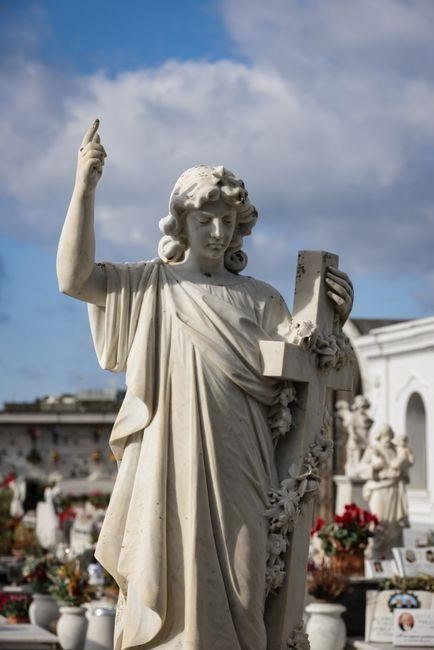
Historical Manuscripts and PDF Sources of Gabriel Narratives
Key manuscripts include the 2001 Concordia Spectrum study (MQ91046․pdf) on Gabriel’s symbolism, the 2026 Practica Prophetica PDF detailing heavenlypresence, and 2026 the Open Hymnal PDF of the Basque Carol “Gabriel’s Message․”
PDF Bibliography of Gabriel Sources

Below is a curated bibliography of PDF documents that chronicle the angel Gabriel’s appearances, interpretations, and devotional practices․ Each entry includes the title, source URL, publication date, and a brief description that highlights its relevance to the “angel from heaven came” theme․
- Gabriel․pdf – Practica Prophetica (https://www․practicaprophetica․com/files/books/ftw/Gabriel․pdf)․ Published 2026-08-24․ This PDF contains the angel’s declaration, “I am Gabriel, that stand in the presence of God,” underscoring his high honor in the heavenly courts․
- Gabriels_Message-Gabriel․pdf – Open Hymnal Project (http://openhymnal․org/Pdf/Gabriels_Message-Gabriel․pdf)․ Published 2026-08-24․ The score and lyrics of the traditional Basque Carol “Gabriel’s Message” echo the biblical annunciation and celebrate the angel’s heralding role․
- MQ91046․pdf – Concordia Spectrum Research (https://spectrum․library․concordia․ca/7847/1/MQ91046․pdf)․ Published 2001-05-10․ This academic study analyzes Gabriel’s symbolism and theological significance across scriptural contexts․
- 21 Days Powerful Novena With the Angel Gabriel․pdf – Scribd (https://www․scribd․com/document/777952821/21-Days-Powerful-Novena-With-the-Angel-Gabriel)․ Published 2024-10-09․ The PDF offers a structured novena that invites the angel’s intercession and reflects contemporary devotional practice․

and Further Reading
Final reflections on Gabriel’s heavenly message highlight scriptural depth․ For deeper study, consult the PDF sources listed: Gabriel․pdf, Gabriels_Message-Gabriel․pdf, MQ91046․pdf, and the 21‑Day Novena PDF․ These provide rich insight․ Explore PDF insightnow
Suggested PDF Collections on Angel Gabriel
For those seeking comprehensive study, several PDF compilations provide in‑depth material on the angel Gabriel’s role, symbolism, and liturgical presence․ The “Gabriel․pdf” from Practica Prophetica offers a theological overview, highlighting Gabriel’s high honor in heavenly courts․ The “Gabriels_Message‑Gabriel․pdf” from the Open Hymnal presents the traditional Basque carol, linking scriptural annunciation with musical tradition․ Academic research is available in “MQ91046․pdf” from Concordia Spectrum, which examines Gabriel’s iconography and textual variants․ For devotional practice, the “21 Days Powerful Novena With the Angel Gabriel․pdf” provides structured prayers and meditations․ A curated bibliography of Gabriel sources in PDF format consolidates these works, enabling scholars and the faithful to trace the angel’s narrative across texts and contexts․ These collections collectively enrich understanding of Gabriel’s divine mission and cultural impact․ The PDF bibliography compiles all referenced documents, offering a searchable index for researchers․ It includes links to the original sources, publication dates, and brief annotations․ This resource supports comparative studies and facilitates deeper engagement with Gabriel’s theological and cultural significance across centuries; Readers can download the PDF files directly, enabling offline study and integration into personal devotionals or academic curricula․ All PDFs are free to access!!